Posted on 22nd Apr 2026
Smolts, trees and an Earth Day call to action
By Mark Bilsby, CEO Atlantic Salmon Trust
Earth Day gives us an opportunity to talk about environmental challenges at scale – the planet-wide issues that affect entire ecosystems. Across the world, conservationists will be using today to amplify important messages around rainforests, coral reefs, oceans and more. If we want to achieve the successful recovery of wild Atlantic salmon populations, it’s vital that we frame the challenge, and opportunities for action, at a similarly large scale. A bit of well-meaning ‘river gardening’ – addressing small scale issues here or there, won’t cut it for a species in crisis across its range – working at scale is essential.
The Scale of Change
Our focus at the Atlantic Salmon Trust has been on accelerating the scale and pace of our restoration work over recent years. From our origins as a purely research-focused organisation, we took the step into the active design, development and delivery of catchment-scale restoration projects, first with Project Laxford and Project Deveron – our Core Rivers programme, and more lately our growing Watershed Connections network of catchment partnerships, now extending from the Isle of Lewis to the Aberdeenshire Dee and the chalk streams of Hampshire. In total, we’re now working with our partners on active restoration projects covering over 4,600km2. Further partnerships will see this figure increase to over 8,000km2 in 2026.
Working at a whole catchment level, and then across multiple catchments, is how we aim to scale up our impact across the country. Aligning these efforts with our partners in the wider Missing Salmon Alliance, and international colleagues in Norway, Iceland, Canada and elsewhere, is how we support an even wider movement for change.
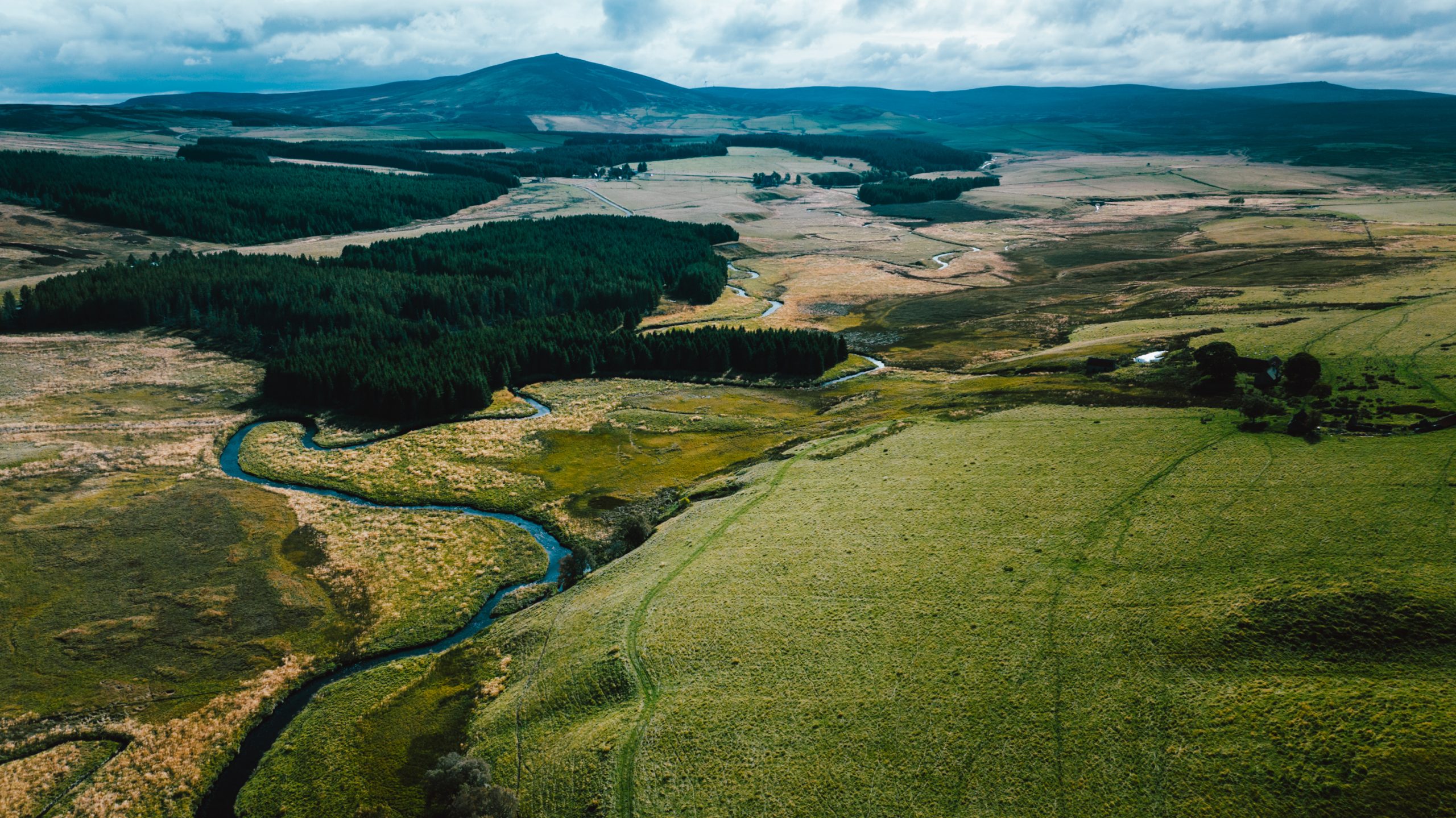
In total, we’re now working with our partners on active restoration projects covering over 4,600km2.
Further partnerships will see this figure increase to over 8,000km2 in 2026.
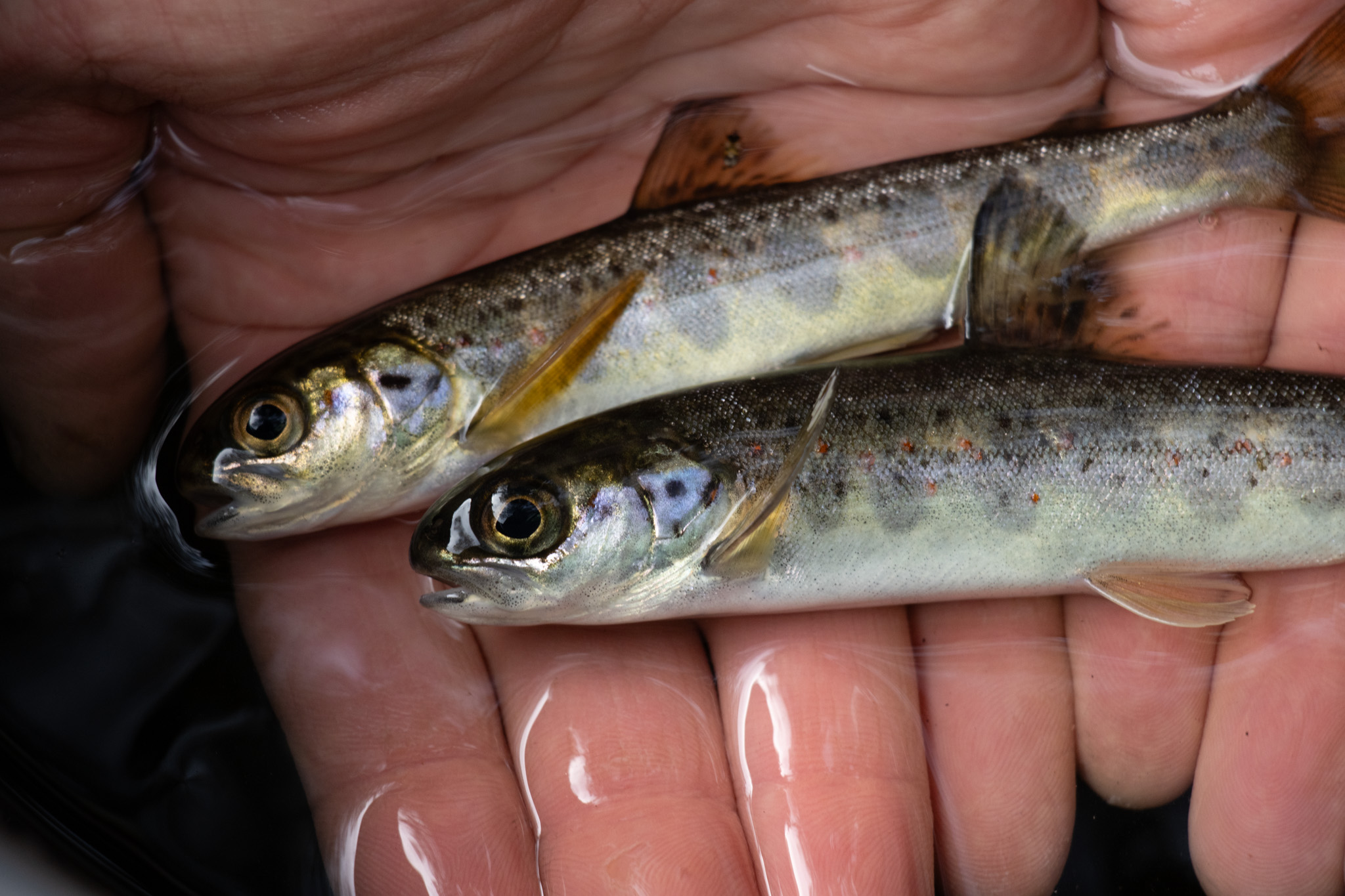
We know that larger, fitter smolts survive better at sea and more return home as adults – this is the critical piece of knowledge which underpins much of our restoration activity.
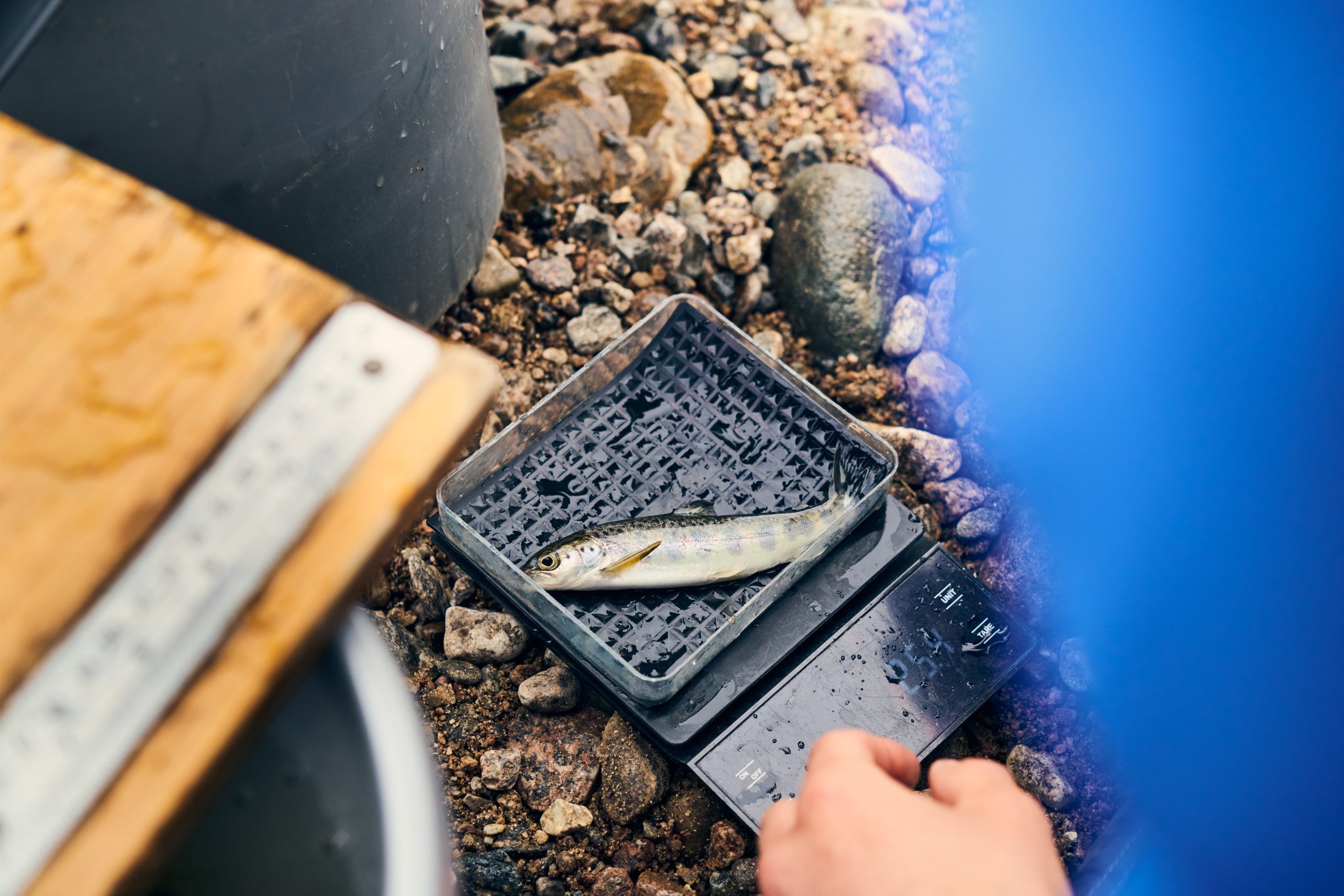
Wild salmon are a cold water species. They love a temperature range of 10°C to 16°C. This is the range in which juveniles thrive, put on fat reserves and are able to grow fit and healthy before their oceanic migration. We know that larger, fitter ‘smolts’ survive better at sea and more return home as adults – this is the critical piece of knowledge which underpins much of our restoration activity. Therefore our focus is on providing the conditions in freshwater catchments needed to support their survival, growth and health – stable temperatures, a diverse in-stream channel, shelter and food. Temperature is critical – what we’re seeing across the UK, and particularly in upland Scotland, are water temperatures in excess of 27°C degrees at certain times of the year in known, upper catchment spawning tributaries and juvenile nursery areas. This is frankly crazy – a serious wake up call. This is not what salmon rivers should be like. To put it in a human context, this is at the higher end of the recommended temperature for a swimming pool.
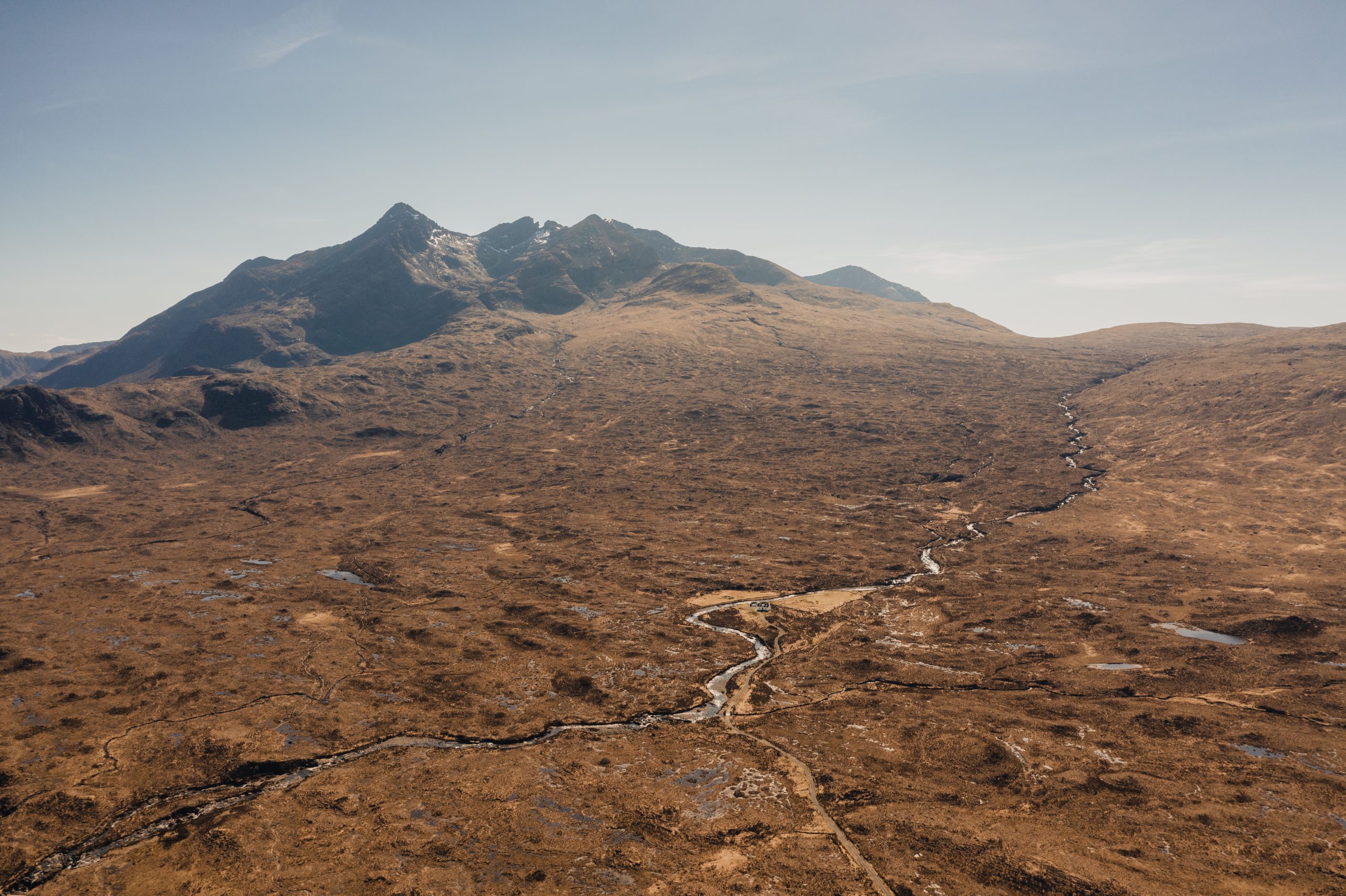
Temperature is critical – what we’re seeing across the UK, and particularly in upland Scotland, are water temperatures in excess of 27°C.
What can we do about it?
For prolonged periods these temperatures can have lethal effects on salmon, but the temperature needn’t even be in the 20s to have a negative effect. Above 16°C juvenile feeding slows, and they’re not putting on the growth and fat reserves needed to survive at sea. Look at it this way – for every moment our rivers experience elevated temperatures, our juvenile salmon’s marine survival chances are being reduced.
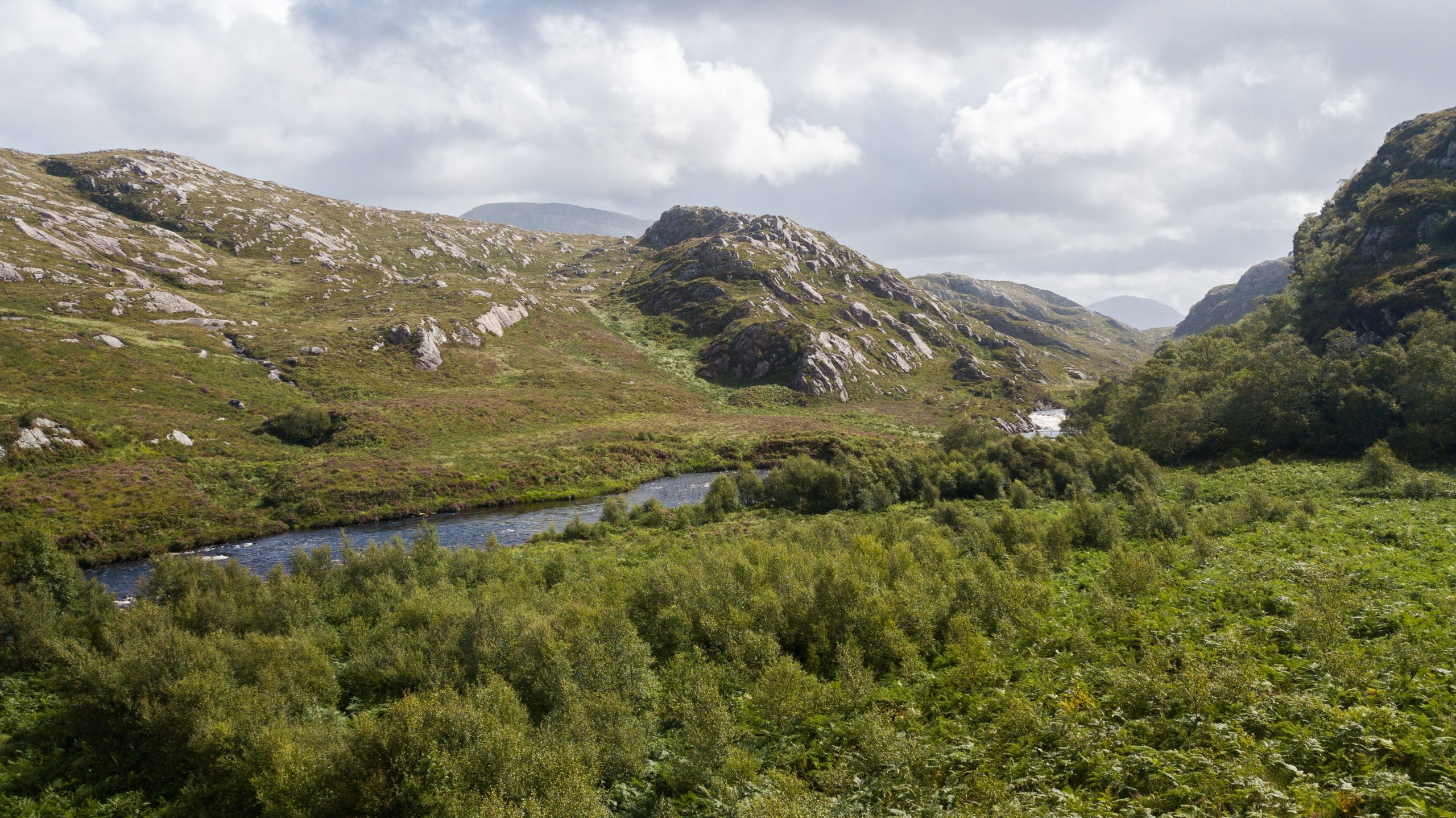
So what can we do about it? The key activity is to provide shade and the best way to provide shade for salmon is from trees. If we can get trees established on our river banks at scale, over time they will grow, provide that essential dappled shade, and help stabilise sediments suffering from the yo-yo effect of damaging winter floods and prolonged droughts. This stability stops rivers becoming overly wide and overly shallow, which means they’re narrower, deeper and less likely to warm up quickly. There are also wider benefits that come from leaf litter supporting aquatic insects, and tree fall providing shelter from predators and channel complexity. It’s not all about trees though – rather the right trees in the right places, and there are other things we can do too, like reinstating wetlands, re-wetting peatland, and re-meandering formerly straightening sections of river.
Achieving this sort of activity at the scale which will make a difference for wild salmon presents us with major land use challenges however, from deer management to forestry, and farming and upland management to urban planning. A change of mindset and attitude to how we use the land around our rivers is essential – without embracing change, our wild salmon will not survive. While these challenges may at first seem insurmountable, pioneering land owners and managers are increasingly taking bold steps to rethink the relationship between the landscape and wild salmon, having those courageous conversations about change. We’re proud to be working with many of them and we invite others to join us.
A change of mindset and attitude to how we use the land around our rivers is essential – without embracing change, our wild salmon will not survive.
The time is now.
We need to get on with it. The situation for wild salmon becomes more and more urgent every year. Of course we need to tackle the manageable issues affecting salmon around our coasts and at sea too, but where we can all act, right now – landowners, river managers, local businesses, community groups, ghillies, and angling clubs – is in our river catchments.
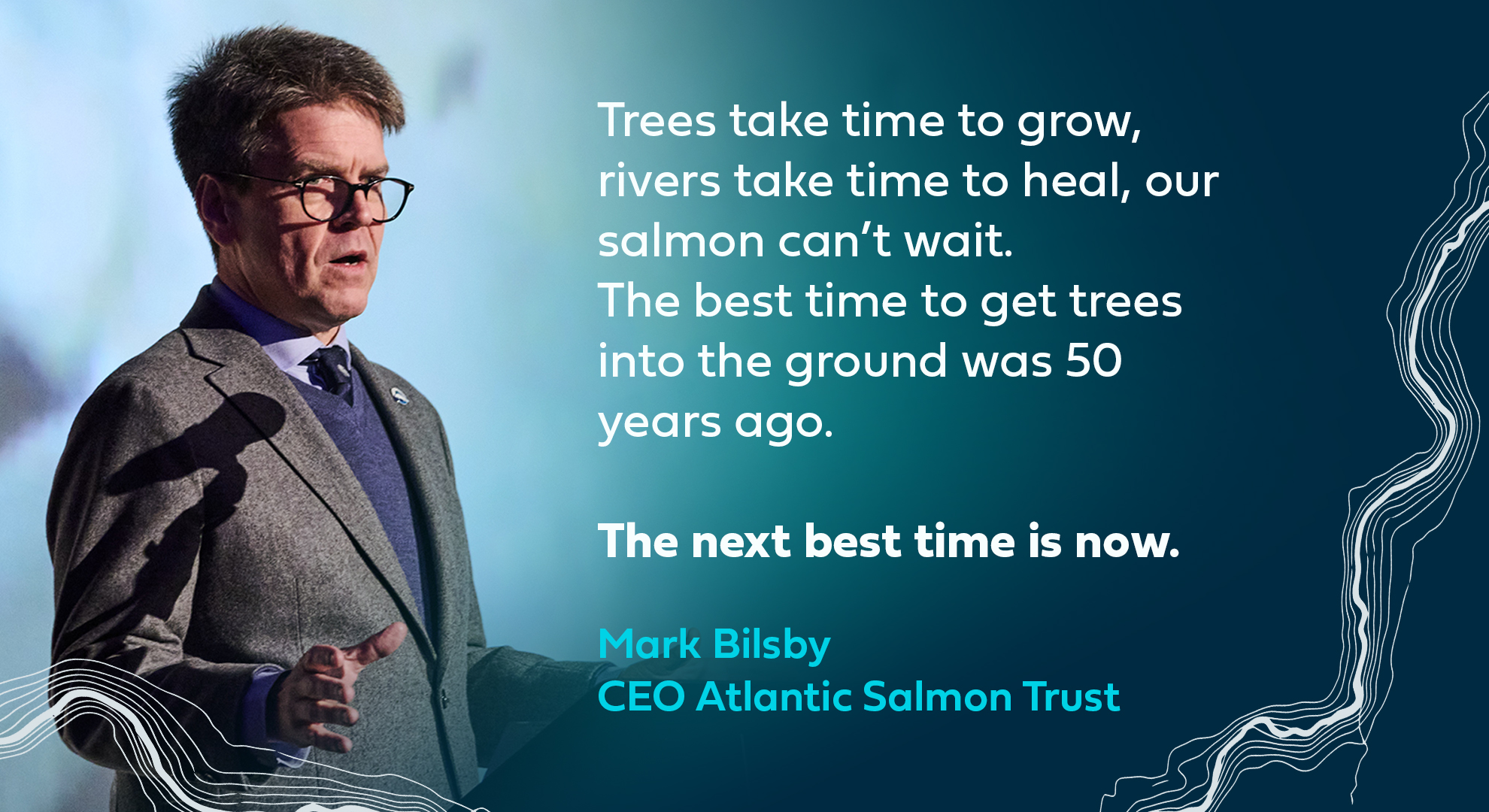
Trees take time to grow, rivers take time to heal, our salmon can’t wait. The best time to have been getting trees into the ground was 50 years ago. The next best time is now.