
Saturday 17 Oct 2026
Auction 2026 Goes Live
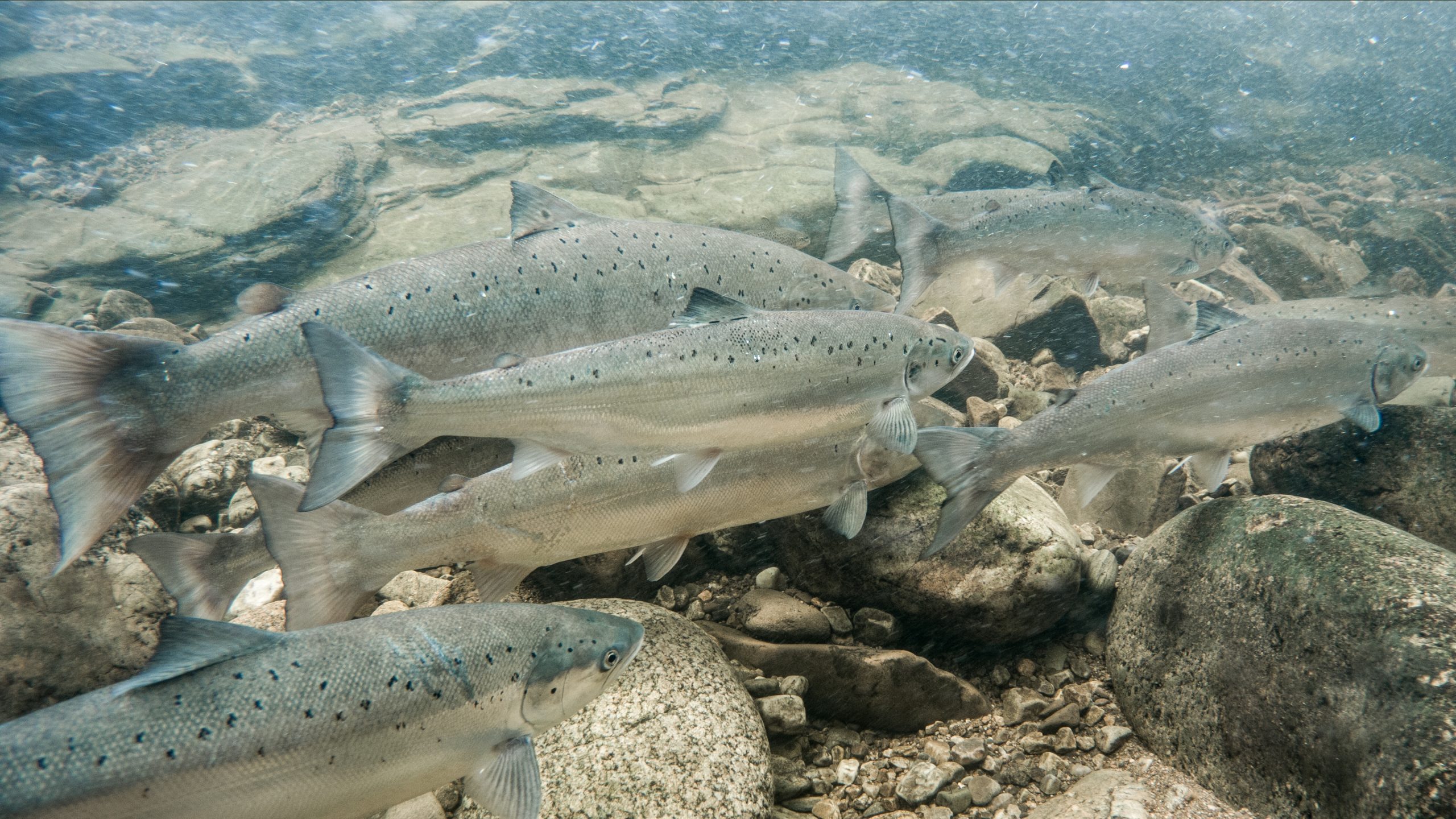
Wild Salmon Crisis
The wild Atlantic salmon population in Great Britain is now endangered.
A LIFE OF TRANSFORMATION
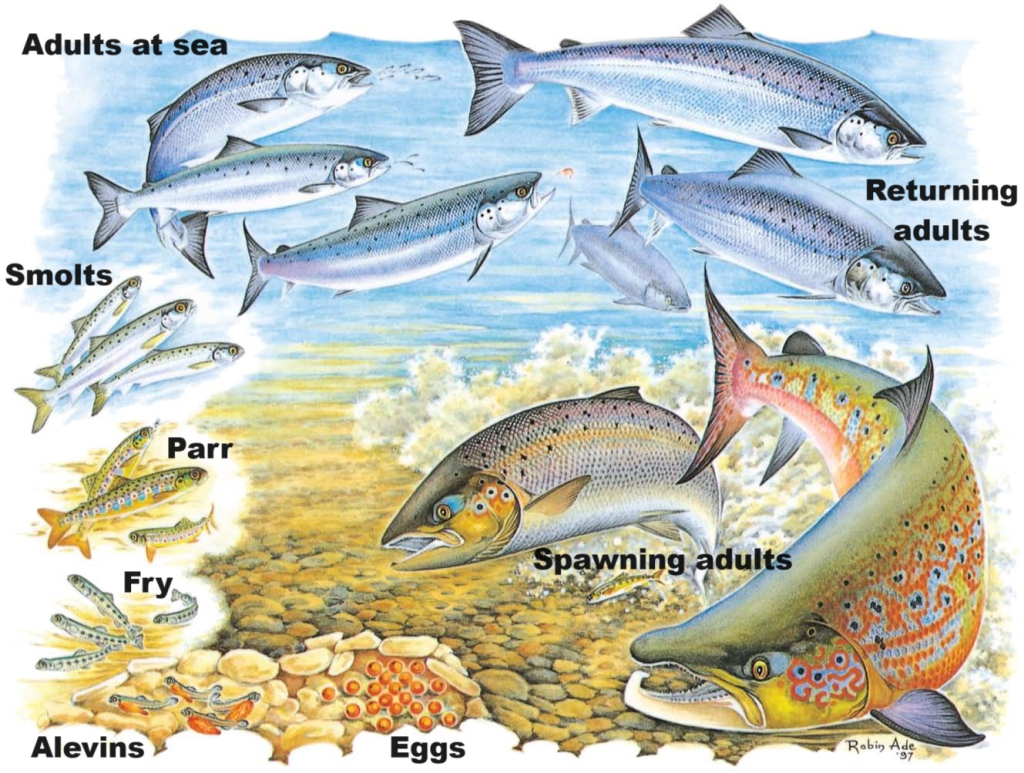
Atlantic salmon are an anadromous, migratory fish which means they spend part of their life in the ocean but they breed and lay their eggs in freshwater.
Born in the headwaters of our rivers, juveniles spend their first few years of life feeding, growing and preparing for the epic journey to come. Once juveniles reach the ‘smolt’ life stage, their bodies transform, enabling them to transition to saltwater.
They exit our rivers and travel far into the North Atlantic to reach the rich marine feeding grounds necessary to grow to adulthood. Some will travel as far as Greenland before returning to their home rivers to spawn – an incredible round trip of over 4,000km.
Returning adults then battle their way upstream, leaping waterfalls and navigating obstacles to reach their spawning grounds, lay their eggs and create the next generation.
Why wild salmon matter
Wild Atlantic salmon are what is known as a ‘keystone’ species – a species which is critical to the overall structure and functioning of an ecosystem. Their incredible lifecycle – from freshwater to the ocean and back again – means their bodies are a unique transportation vessel for marine-derived nutrients to be delivered far up into our freshwater catchments. Many Atlantic salmon will die after spawning, contributing these precious nutrients to the ecosystem.
The importance of this nutrient transfer is well-known in the Pacific where many runs of wild salmon are still abundant. However it is largely overlooked in the Atlantic, possibly due to the long-term decline of the species and this important ecological function being lost in time.
It is estimated that Europe’s Rhine river system alone once saw runs of 10 million returning adult salmon each year, five times the now estimated total number of 2 million wild salmon remaining across the entire North Atlantic.
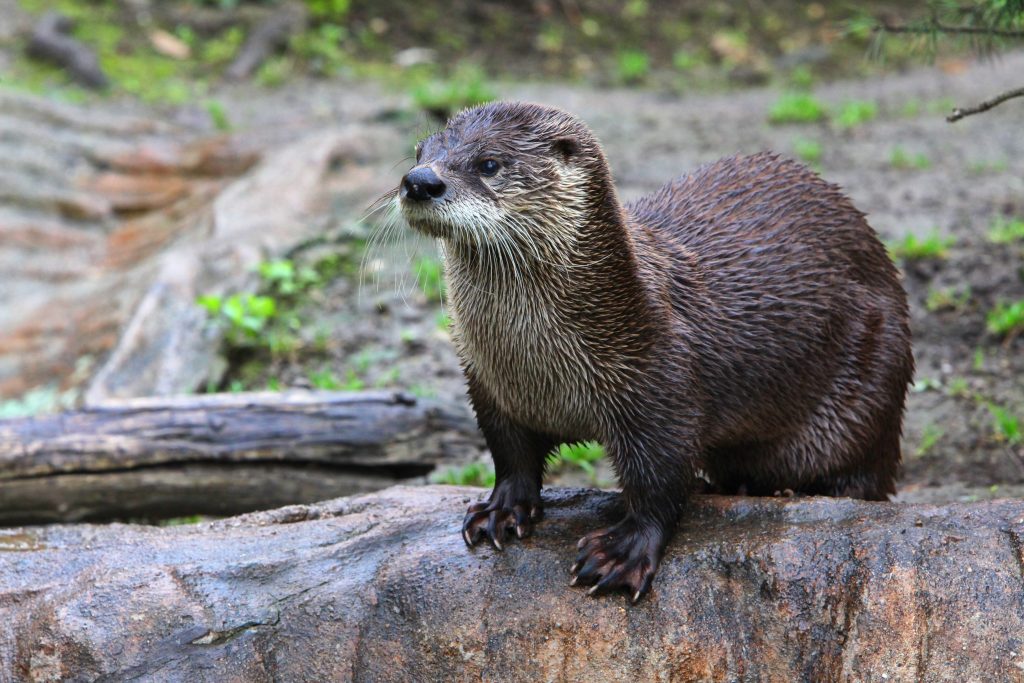
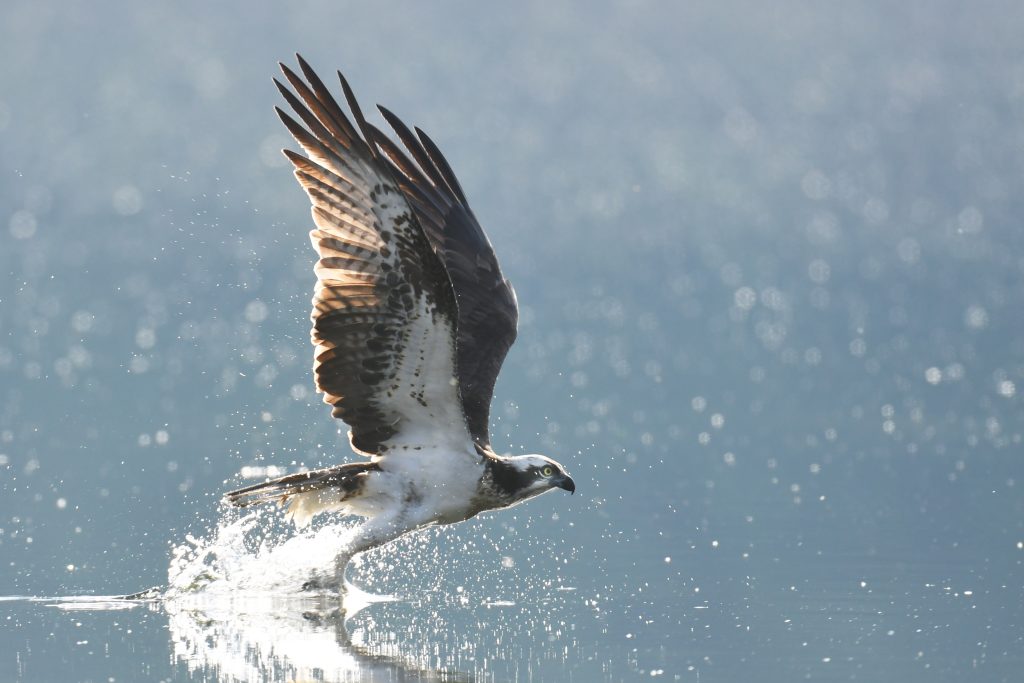
In the past, before industrialisation across Europe and the proliferation of stream-blocking water mills, hydropower dams, the canalisation and modification of river channels, and large-scale urbanisation and agriculture, wild Atlantic salmon runs may well have been as spectacular as the Pacific salmon runs we still see in some places. Rivers would have brimmed with fish, sustaining large predators like bears, wolves and lynx, as well as smaller animals such as otters and birds. The nutrient transfer from wild Atlantic salmon populations of this historic magnitude is now lost from our environment, but the benefits to biodiversity and our landscapes which would come from rebuilding this function would be immense.
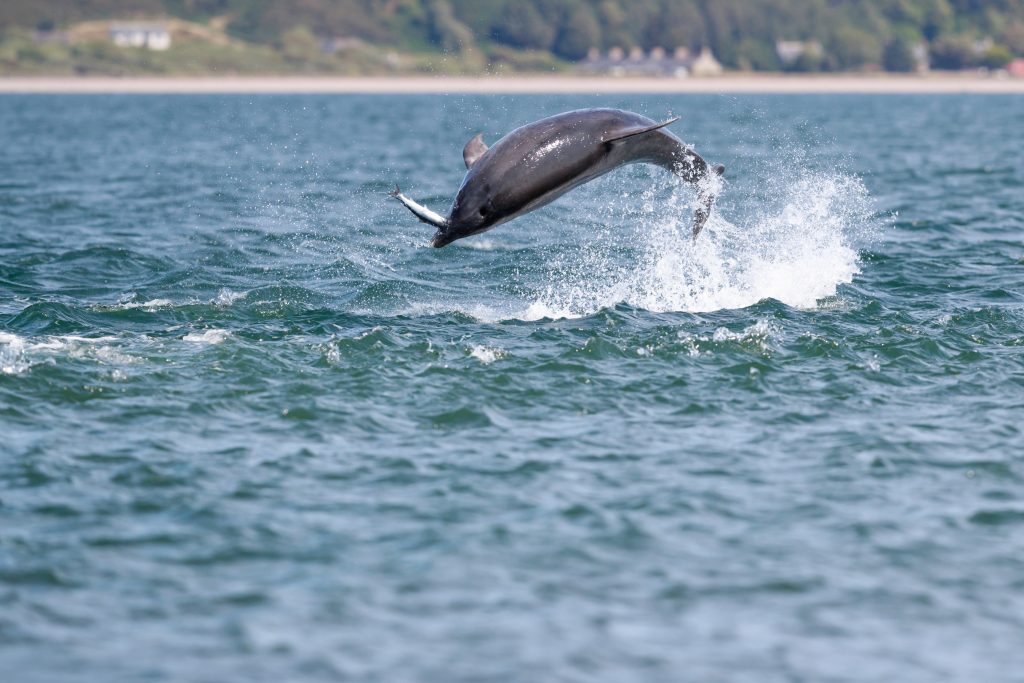

Wild Atlantic salmon are a ‘keystone’ species – critical to the overall structure and functioning of their ecosystem, supporting wider biodiversity and environmental health.

Due to their requirements for cold, clean water both in freshwater, around our coasts, and at sea, wild salmon act as messengers, reporting back to us about the health and condition of these environments.

Wild Atlantic salmon are essential to the survival of other species, for example some populations of freshwater pearl mussel, whose larvae can only survive by clinging to the gills of juvenile wild Atlantic salmon. Without salmon, the pearl mussels die, and the loss of these two species together has a knock-on impact on the species which rely on them for prey.
FOR PEOPLE
Wild Atlantic salmon are deeply intertwined with communities across the North Atlantic and our shared natural and cultural heritage has been connected to the species for centuries.
From Spain and Portugal on the westernmost edge of Europe, to France, Belgium and the Netherlands. The UK and Ireland, to Germany, Poland and the Baltic states of Latvia, Lithuania and Estonia (which have a genetically distinct ‘Baltic’ salmon). The Scandinavian states of Denmark, Sweden and Norway. To Finland, Russia, and Iceland, and all the way across the ocean to Greenland, Eastern Canada and the United States. Wild Atlantic salmon are part of our shared story, even if lost or severely depleted in much of this historic range. What now remains is just a fragment of what should be there.
From the earliest days of human civilisation, the ‘King of Fish’ has been revered. The ‘Abri du Poisson’, or ‘Fish Rock Shelter’ located in the Dordogne region of southwest France is a 25,000 year old paleolithic artwork depicting Atlantic salmon, carved during the Ice Age. It represents one of the oldest depictions of a fish found anywhere on Earth.
When much of northern Europe was under ice, it is likely that this region, along with the Iberian Peninsula, was the stronghold of the species. As the ice caps retreated and new rivers formed, the Atlantic salmon’s range expanded northwards, through into the British Isles, Scandinavia and beyond.
As they made their way through Germania and Gaul, Roman armies marveled at the Atlantic salmon’s abilities to leap incredible heights. In present-day Scotland, the Torridon Stone is a surviving memory of Atlantic salmon from the Pictish people, carved around 500-700AD.
There are countless other examples from across the North Atlantic of Atlantic salmon in myth and folklore, on coins and architecture, and in literature and song. Its return to rivers every year sustained communities through subsistence fishing and over time it also became an iconic part of European food culture.
Latterly, it became revered as a sport fish for its strength and aggression, and ignited a now centuries old unique angling culture which runs deep through our shared heritage and continues to act as an important way for human beings to connect with nature.
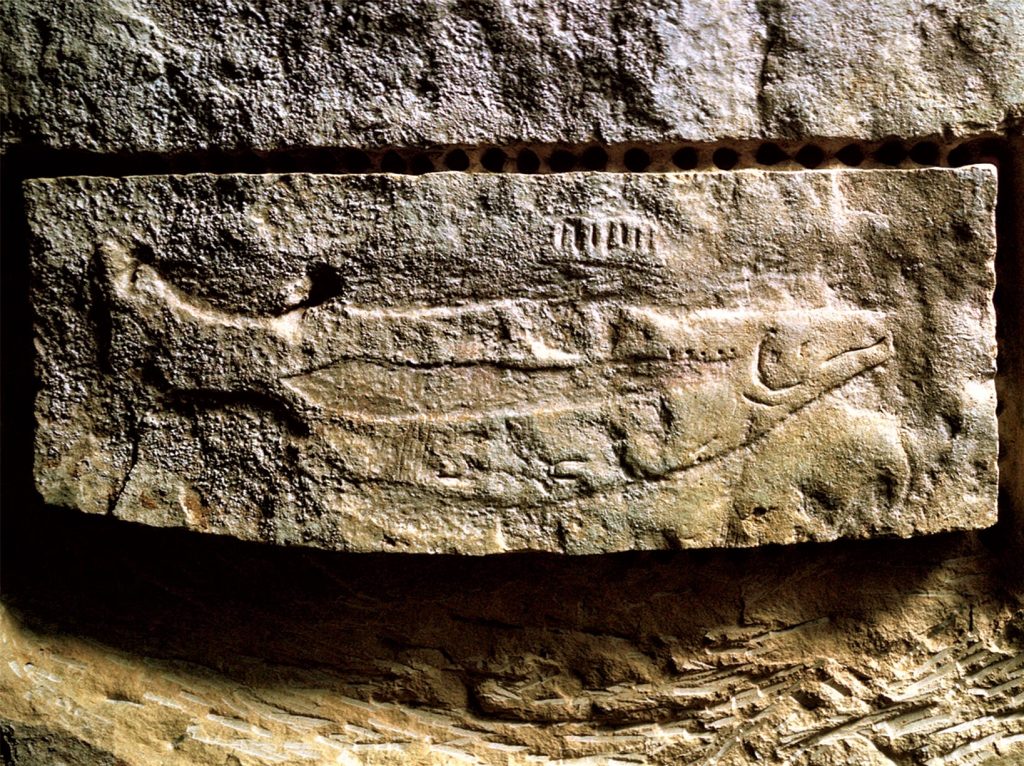
From the earliest days of human civilization, the ‘King of Fish’ has been revered. The ‘Abri du Poisson’, or ‘Fish Rock Shelter’ located in the Dordogne region of southwest France is a 25,000 year old paleolithic artwork depicting Atlantic salmon, carved during the Ice Age. It represents one of the oldest depictions of a fish found anywhere on Earth.
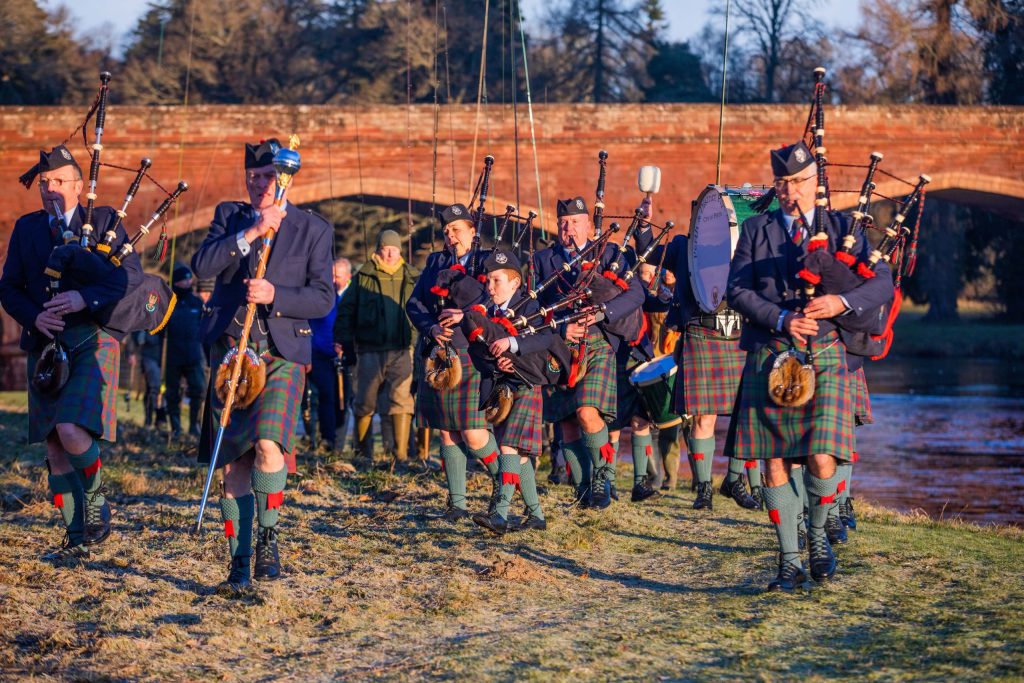
Today wild Atlantic salmon still support an important recreational angling tourism industry, which in many countries is now almost exclusively carried out on a voluntary catch-and-release basis as people seek to maintain their spiritual connection with this iconic species but minimise their impact. Jobs, businesses and communities depend on this tourism to survive and, in many cases, now lie at the heart of efforts to restore the species.
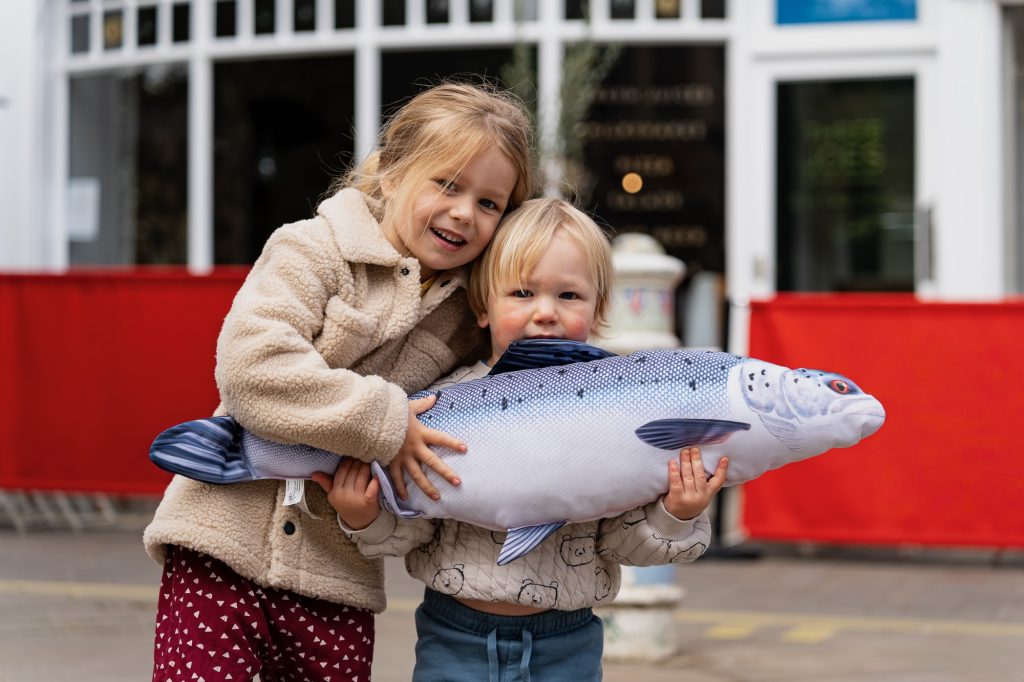
The future of wild Atlantic salmon needn’t be one of continued decline and disappearance. It is our collective responsibility to ensure that the species can thrive once again, enabling future generations to connect with and experience one of nature’s most magical creatures.
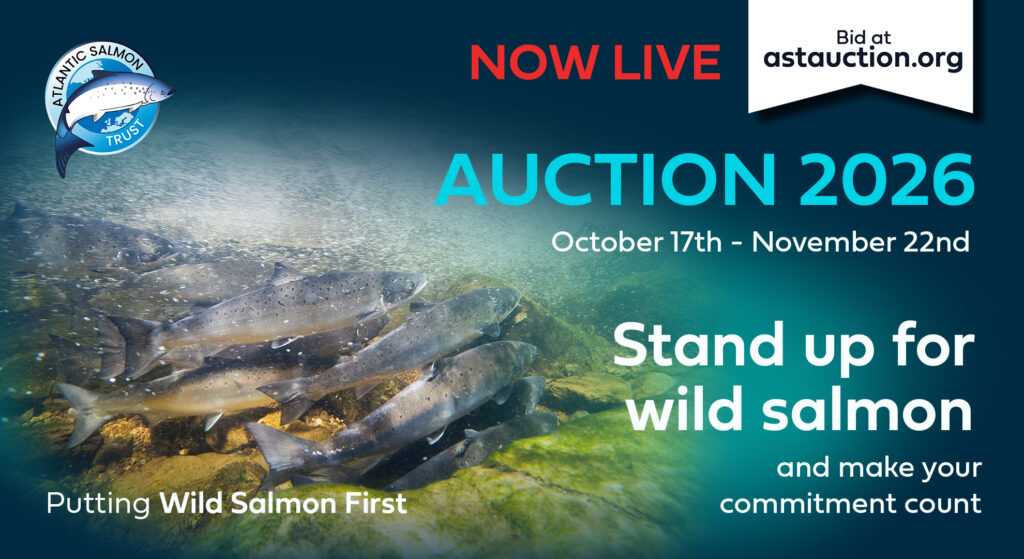 News
Saturday 17 Oct 2026
Auction 2026 Goes Live
 News
Tuesday 6 Oct 2026
Project Deveron wins 2026 EMMA Award
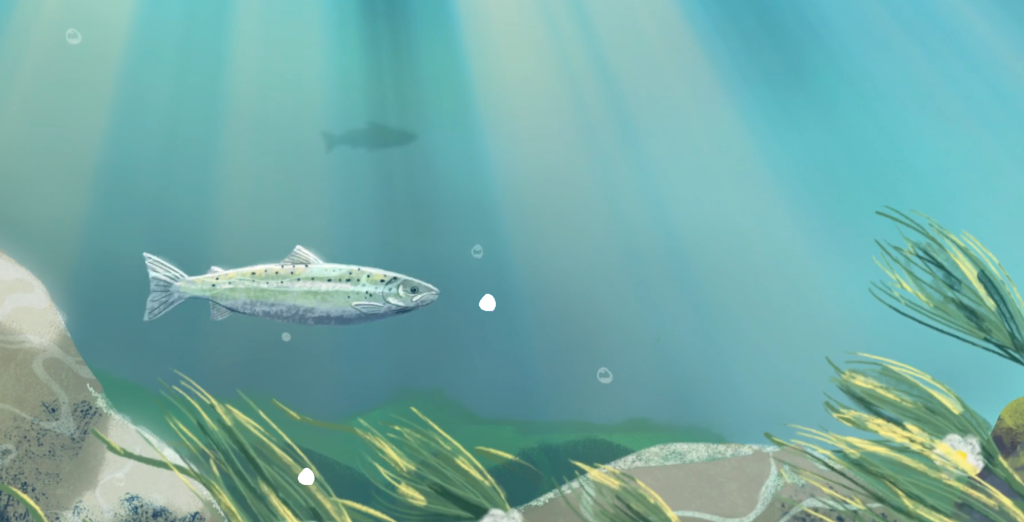 News
Thursday 1 Oct 2026
Project White Hart interactive website launched
 Project Update
Monday 10 Aug 2026
Major Update – Save the Spring, River Dee
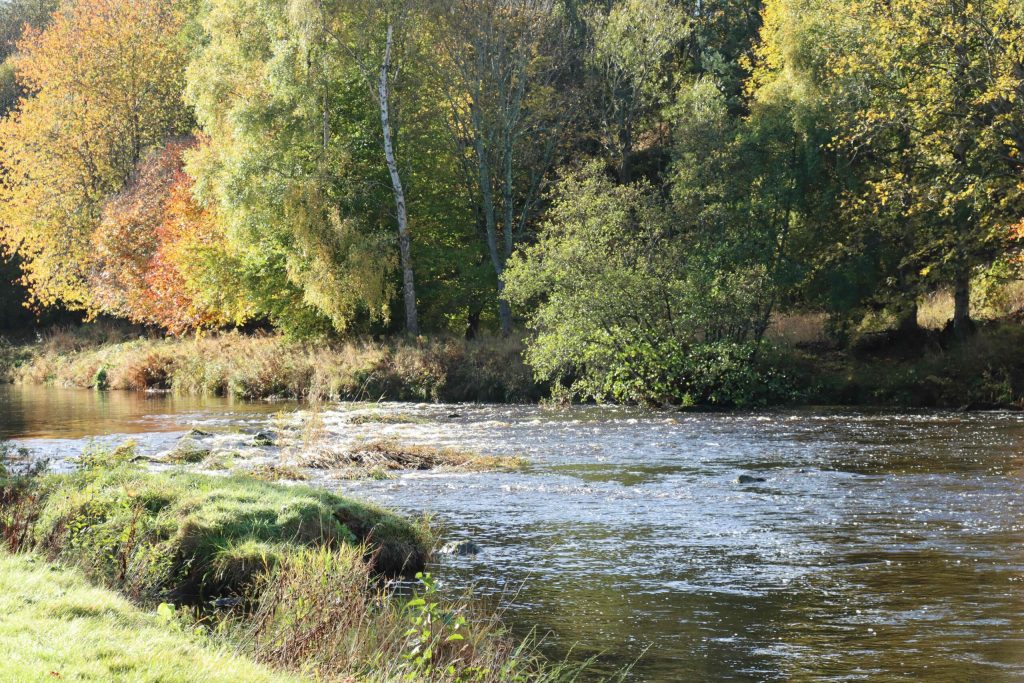 Project Update
Thursday 6 Aug 2026
Core Rivers 2025 Adult Salmon Sonar Counts Announced
 Project Update
Tuesday 21 Jul 2026
Project Deveron Nominated for Prestigious 2026 EMMA Award