
Our History
YEARS OF ADVOCACY
Decades of experience in advocating for wild salmon
From our beginnings in the 1960s to the present day, the Atlantic Salmon Trust has been at the forefront of efforts to protect, conserve and restore wild Atlantic salmon.
Now, as the threats facing the species continue to evolve and deepen, so too does our commitment to saving them. Our mission is no longer about fisheries management – it’s about nature recovery and redefining wild salmon restoration as a vital part of tackling the wider biodiversity and climate emergency.
The Trust is born
In the 1950s and 1960s wild Atlantic salmon populations were coming under increasing threat from various directions.
Major salmon rivers in Scotland had been dammed and harnessed for hydroelectricity, and Ulcerative Dermal Necrosis disease (UDN) had devastated stocks across the UK and Ireland. An increasing number of uncontrolled open sea drift net fisheries were intercepting wild salmon off the Norwegian coast, the west coast of Ireland and the Faroe Islands. Resources to research and tackle these issues were all but non-existent.
In 1966 a proposal was put forward that an independent Trust should be set up to gather funds to support research, education and the management of salmon stocks. A year later in 1967 the Trust was formed under its original name – The Atlantic Salmon Research Trust. The Trust’s formative years also saw the beginnings of a close relationship with North American counterparts at the International Atlantic Salmon Foundation, forerunner to the Atlantic Salmon Federation.
Uncovering the uncontrolled West Greenland high seas drift net fishery
In 1969 the Trust organised a conference with its North American counterparts aimed specifically at devising a means to bring an end to the uncontrolled high seas drift net fishery off the west coast of Greenland. This event, the first ever major international conference on North Atlantic salmon, was held at Fishmongers’ Hall, London.
South Greenland high seas drift net fishery begins
In the summer of 1974 an international advisory group, including the Atlantic Salmon Trust, discovered that there had been an exploratory drift netting expedition by a Danish fishing vessel – this time around the south coast of Greenland. This raised immediate concerns about another exploitation impact on international Atlantic salmon populations.
The advisory group met in Montreal in 1975 and in Copenhagen in 1976 to begin to draw up plans aimed at regulating the fishery.
Tabling a resolution to ban Atlantic salmon fishing on the high seas
In 1979 the Trust changed its name from the Atlantic Salmon Research Trust to the Atlantic Salmon Trust.
This change of name came about as the Trust’s remit was becoming wider than simply research and education. It was beginning to play an ever more active role in supporting management and conservation efforts. At this time the Trust was a small organisation but was already making a substantial impact – seed funding projects, supporting the establishment of laboratories, and organising highly regarded international workshops, symposia and conferences.
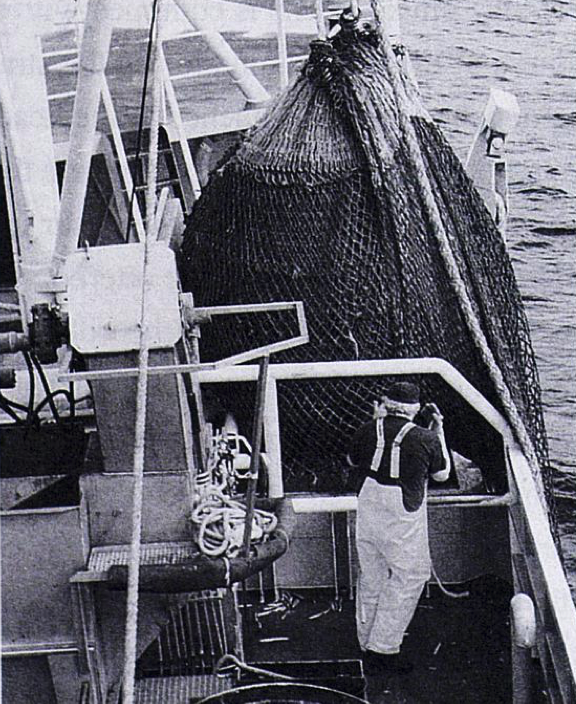
In October 1979, the Trust and its international counterparts met in Brussels to table a draft resolution to ban Atlantic salmon fishing on the high seas.
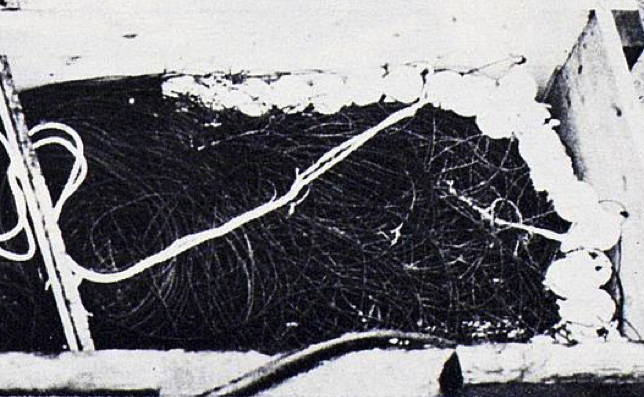
Around this time the Trust reported that it had learned from two reliable sources that there was a very large and unreported salmon fishery operating off the Faroe Islands. This tip-off turned out to be correct and it was revealed that Faroese and Danish vessels had been targeting salmon with longlines since 1968. It was discovered that the fishery had landed 50 metric tonnes of salmon in 1979, although this figure was to skyrocket within a few short years…
Achieving the closure of the Faroese inshore longline fishery
Thanks to pressure from the Trust and its partners, in October 1980 the European Commission confirmed an international agreement to prohibit salmon fishing outside the 12 mile limit of each member state.
The Trust was then involved with the establishment of a managed, subsistence-only fishery in Greenland, and the closure of the longline fishery in the Faroes. Over time, unregulated drift net fisheries would be gradually removed from around the coasts of Canada, Norway, the UK and Ireland.
However exploitation on the high seas was proving more difficult to tackle…
Our role in the formation of NASCO
As a result of the first International Atlantic Salmon Symposium hosted by the Atlantic Salmon Trust and Atlantic Salmon Federation in 1972, and the second in 1978, high seas issues were highlighted and calls were made for an international agreement and the formation of an international fisheries organisation to care for Atlantic salmon.
The Atlantic Salmon Trust lobbied hard for its establishment and for its headquarters to be located in Edinburgh.
The North Atlantic Salmon Conservation Organization (NASCO) came into being. To this day it is headquartered in Edinburgh.
Shining a spotlight on the Faroese high seas fishery
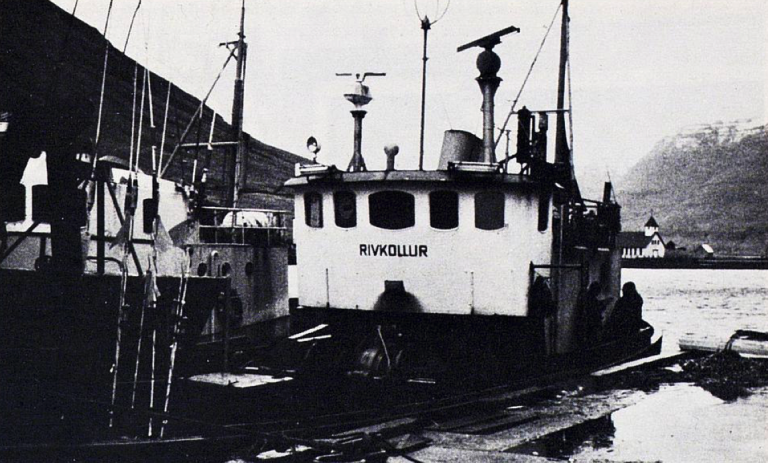
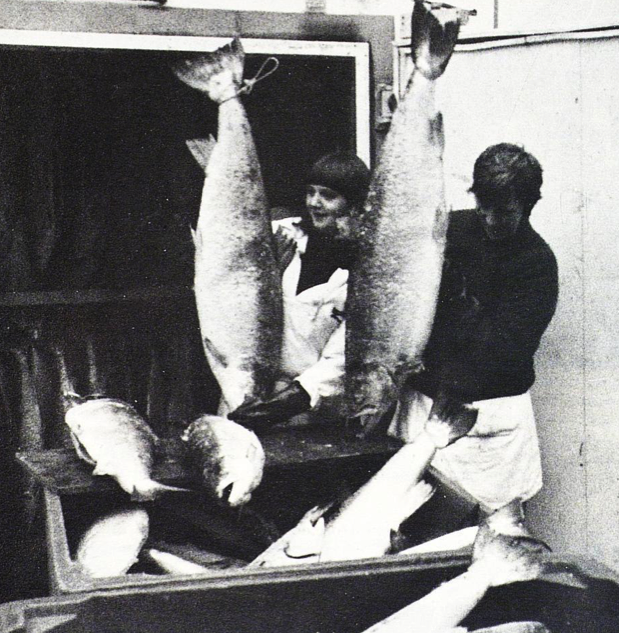
Although the Faroese inshore longline fishery had been successfully halted, high seas exploitation remained. In 1985, 17 Faroese and 6 Danish boats fishing of the islands took 693 metric tonnes (or 1,527,803 pounds) of Atlantic salmon. The 6 Danish boats alone were responsible for 492 metric tonnes of the catch.
The Atlantic Salmon Trust took the lead in publicising the problems relating to the Faroese fishery.
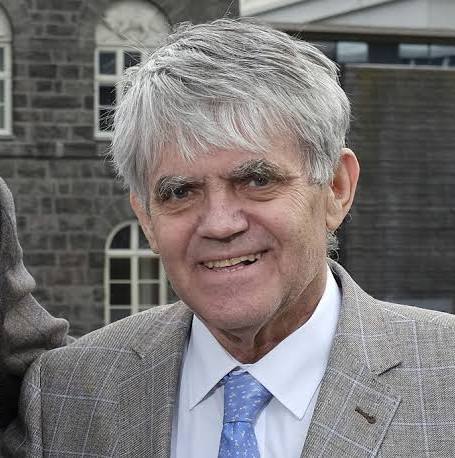
Supporting Orri Vigfússon's North Atlantic Salmon Fund
In 1989, Icelandic entrepreneur Orri Vigfússon established the North Atlantic Salmon Fund (NASF), beginning a personal 27-year mission to protect and restore wild Atlantic salmon through a strategy of netting buyouts.
Due to its charitable status, the Atlantic Salmon Trust could not directly raise funds to support these buyouts, so it established the The Atlantic Salmon Conservation Trust in partnership with NASF in order to support Orri’s efforts.
Discovering the risks of open pen salmon farming
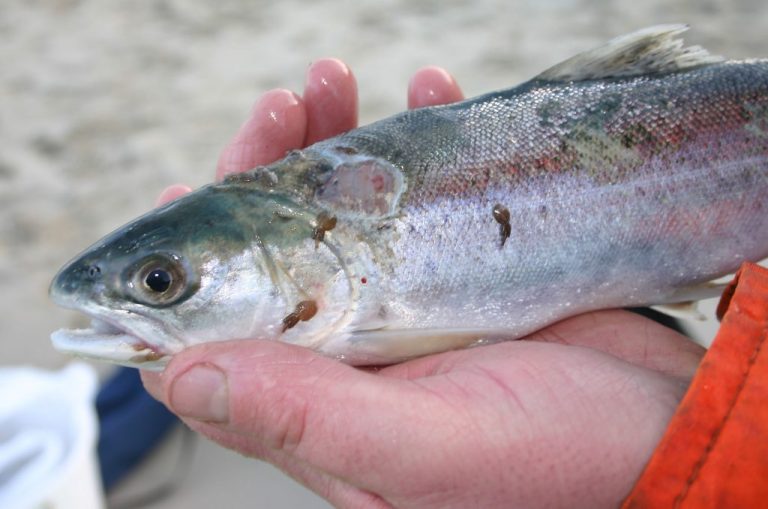
In the 1990s the Trust and its partners discovered, and published for the first time, the devastating effects of sea lice emanating from open pen salmon farms on sea trout and the potential impacts on wild salmon. We also saw the first evidence of genetic introgression in Norway – the interbreeding of farmed and wild salmon. The Trust played a major role in highlighting and attempting to manage these impacts.
Highlighting the risk of unsustainable industrial sandeel fishing
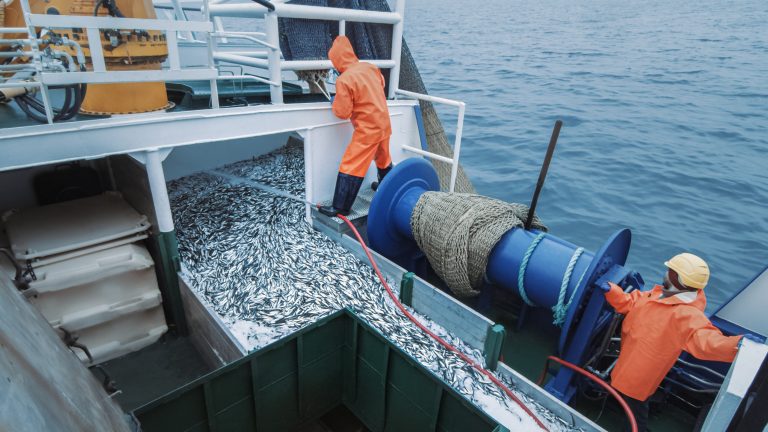
The Trust finances research and publishes a report on the risk posed to wild Atlantic salmon and sea trout by industrial sandeel fishing in the North Sea, carried out by mainly by Danish vessels beginning in 1952. Sandeels are the most important prey item to wild salmon post-smolts around the British Isles and a critical component of the wider marine food web.
There was a steep rise in sandeel catches in the 1970s. By 1977, between 500,000 and 1,000,000 tonnes annually were caught from the North Sea and other waters surrounding the British Isles. There were virtually no precautionary limits on the fishery until the 1990s.
In 1998, the European Commission set a ‘precautionary’ Total Allowable Catch of 970,000 tonnes of sandeel. The Atlantic Salmon Trust began to advocate strongly for better management of the fishery.
SALGEN Project
Funded by the European Commission, this project was designed to coordinate a wide spectrum of genetic research on Atlantic salmon, which at the time was ongoing in separate laboratories. The initiative was seminal in the development of Genetic Stock Identification techniques. Without SALGEN it would have been impossible to implement the subsequent, highly ambitious, SALSEA Programme and to identify genetically distinct regional populations of salmon as they migrated across the ocean.
The Atlantic Salmon Trust played a vital role by serving as the official sponsor of SALGEN. It acted as the structural backbone, coordinating and bridging scientific research with real-world conservation and management policy.
The project established an internationally recognised panel of genetic markers and coordinated a framework for mapping the genetic profiles of Atlantic salmon populations. Subsequently this panel has been extended, enabling conservationists to monitor and work to prevent the genetic dilution of wild salmon populations.
SALSEA-Merge project launches – the first ever to study the post-smolt life stage
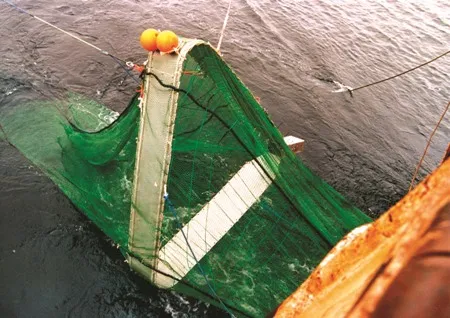
Beginning in 2008, the SALSEA-Merge project was the first ever large scale, oceanic Atlantic salmon project focusing on the post-smolt phase of the salmon’s lifecycle. It was officially launched on the 16th May 2008 in Killybegs, Ireland.
It was an ambitious, three year, €5.5 million scientific project to investigate the migration and distribution of salmon in the northeast Atlantic, supported by the European Commission under the 7th Framework Programme for Research and Technological development.
Ocean Silver Conference
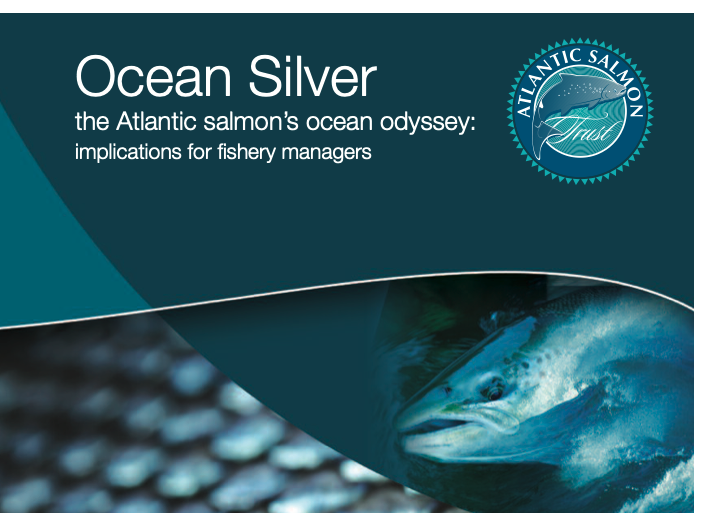
The Trust organised the Ocean Silver conference, held at Fishmongers’ Hall, London, to outline the implications of the recently-completed SALSEA-Merge (Salmon at Sea) research programme.
Our 50th Anniversary
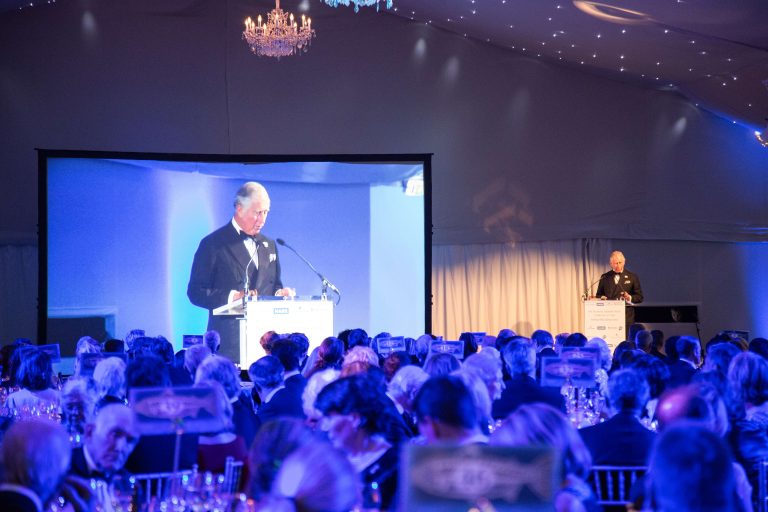
The Atlantic Salmon Trust’s 50th Anniversary Symposium and Gala took place on Thursday 25th May 2017, attended by the Trust’s patron, the then HRH The Prince of Wales and His Majesty King Harald V of Norway. A transcript of the Prince’s speech can be found here.
A fundraising auction held during the event raised over £300,000 to kick-start a new programme of work – the Likely Suspects Framework. Over the decades, the threats facing wild Atlantic salmon were becoming more complex, compounded by the rising impacts of climate change and biodiversity loss.
Europe's largest ever salmon tracking projects begin
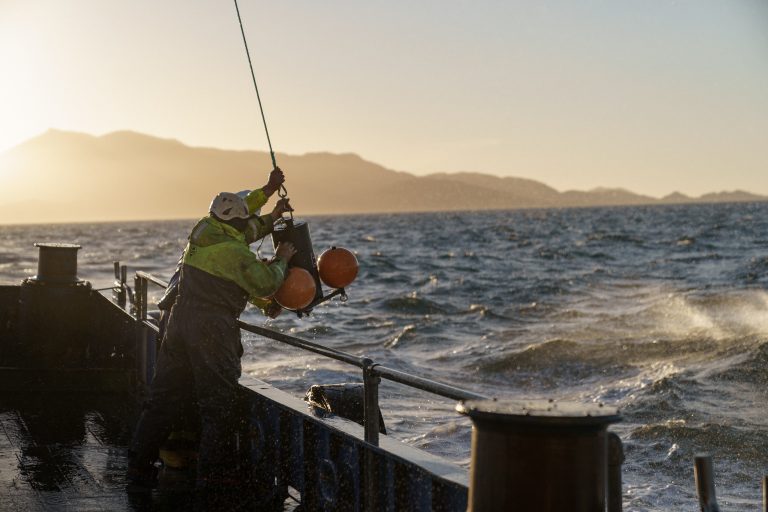
The Trust secured funding in 2018 for the Missing Salmon Project, which would go on to launch in 2019. It set out to tag wild salmon smolts with acoustic tags and track them on their migration down rivers and through coastal waters.
This work would later become the Moray Firth Tracking Project, and a sister project was established on the other side of Scotland – the West Coast Tracking Project.
Together, between 2019-2023, these projects: tagged 5,309 smolts from 22 rivers around Scotland; saw 1,623 acoustic receiver deployments over three study years in rivers, coastal waters and at sea; and tracked smolts as far as 300km off the northwest coast of Scotland with a remotely operated submersible.
The data gathered in these projects is now being published, revealing incredible new information about migration routes, timings and behaviours, to help contribute to better protection, management and regulation.
Formation of the Missing Salmon Alliance
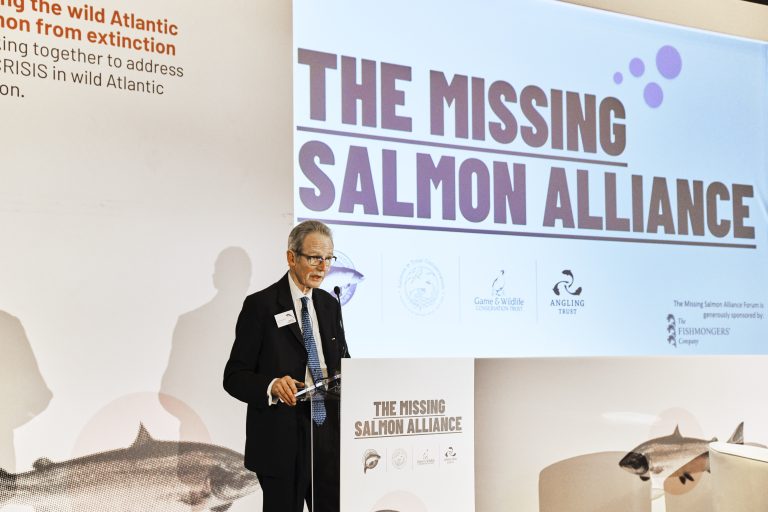
2019 saw the formation of the Missing Salmon Alliance – currently a group of seven UK-based conservation bodies working together to protect and restore wild Atlantic salmon. Its members are the Atlantic Salmon Trust, Angling Trust, Afonydd Cymru, Game & Wildlife Conservation Trust, Fish Legal, Fisheries Management Scotland, and the Rivers Trust.
Birth of Core Rivers – a new benchmark for catchment-scale wild salmon recovery
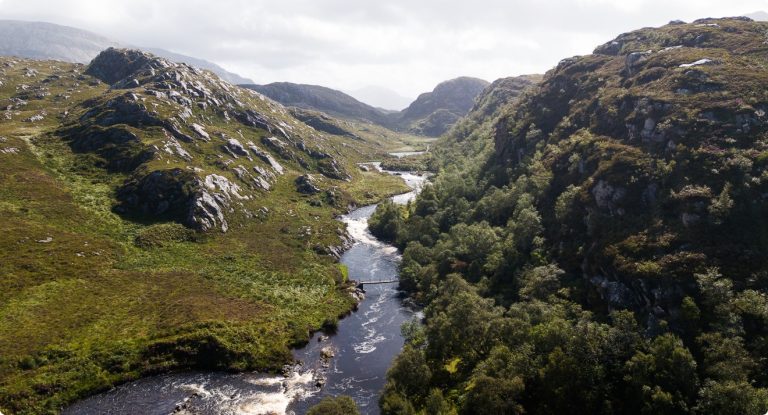
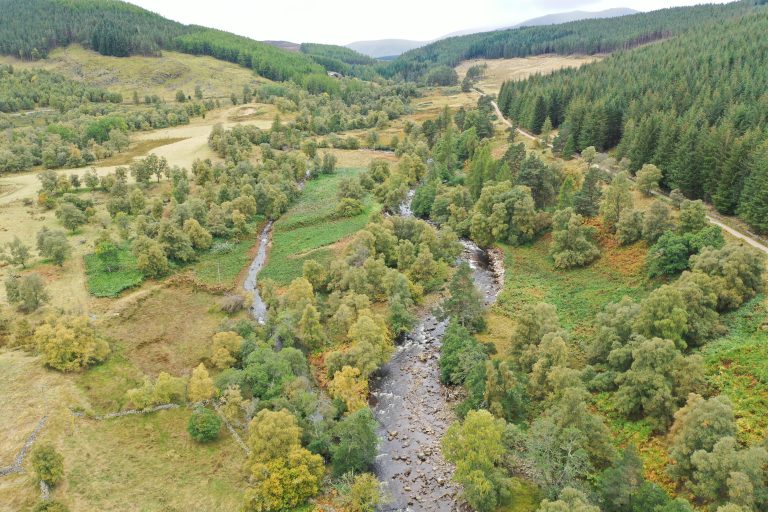
Seeing the urgent need to deliver not just research and evidence, but also actively support and catalyse restoration work, the Trust established its pioneering Core Rivers programme in 2021.
Two river systems make up the programme: Project Laxford, in partnership with Grosvenor’s Reay Forest Estate in northwest Sutherland; and Project Deveron in Aberdeenshire, in partnership with the Deveron, Bogie & Isla Rivers Charitable Trust.
These rivers combine catchment-wide ecological restoration with two of the most advanced monitoring systems in the country, helping to support nationwide assessments of the health of our salmon populations and trialling the solutions required to put them on the path to recovery.
In 2021 the Missing Salmon Alliance would also put wild salmon recovery front and centre at the United Nations 26th Climate Conference ‘COP26’ in Glasgow, via a powerful international art installation – The Salmon School, created by artist Joseph Rossano
Emerging Threats
In June 2022 the Atlantic Salmon Trust hosted a two-day international workshop, Emerging Threats, at Edinburgh’s Royal Botanic Gardens.
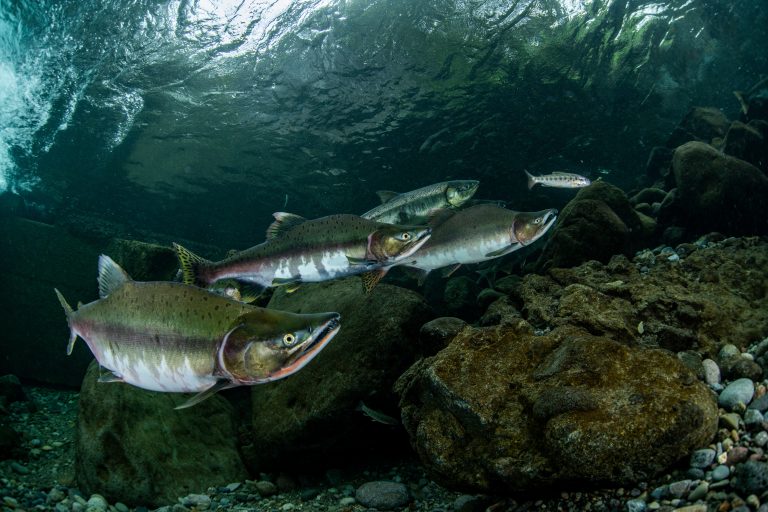
This event brought together leading experts and fishery managers on two newly emerging threats to wild Atlantic salmon – growing numbers of invasive Pacific pink salmon, and the novel ‘Red Skin Disease’. It successfully collated existing information these two threats posed to wild Atlantic salmon, highlighted knowledge gaps and supported management action. The knowledge brought together at this event was published in a Blue Book available to read in our Research Hub.
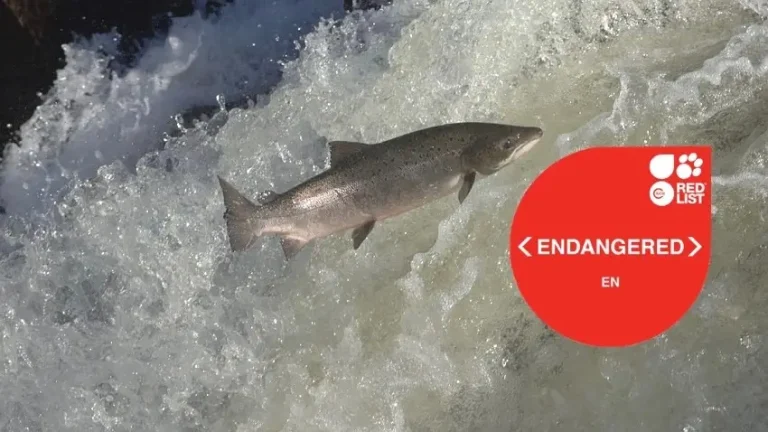
Wild Atlantic declared endangered in Great Britain
In December 2023 the International Union for the Conservation of Nature (IUCN) reclassifies wild Atlantic salmon as ‘Endangered’ in Great Britain as a result of a 30-50% decline in British populations since 2006 and 50-80% projected between 2010-2025. The species was also downgraded from ‘Least Concern’ to ‘Near Threatened’ in terms of global populations as a result of global populations declines of 23% since 2006.
The Missing Salmon Alliance collectively releases a statement, highlighting the urgency of taking action and how the Alliance is working towards the restoration of the species.
Launch of Watershed Connections network
In 2024, following a review of Royal Patronages following the death of HM Queen Elizabeth II, it was confirmed that HM King Charles III, formerly HRH The Prince of Wales, would retain his patronage of the Atlantic Salmon Trust.
In this year the Trust established a new function to support catchment-scale wild salmon restoration programmes at an even greater scale – Watershed Connections.
This framework is a support system to enable the sharing of knowledge and restoration techniques beyond the Trust’s own Core Rivers network. Restoration initiatives currently in the programme include Save the Spring, Linking the Lochs and Project White Hart.
Inspiring a Global Movement – Wild Salmon Connections and International Wild Salmon Day
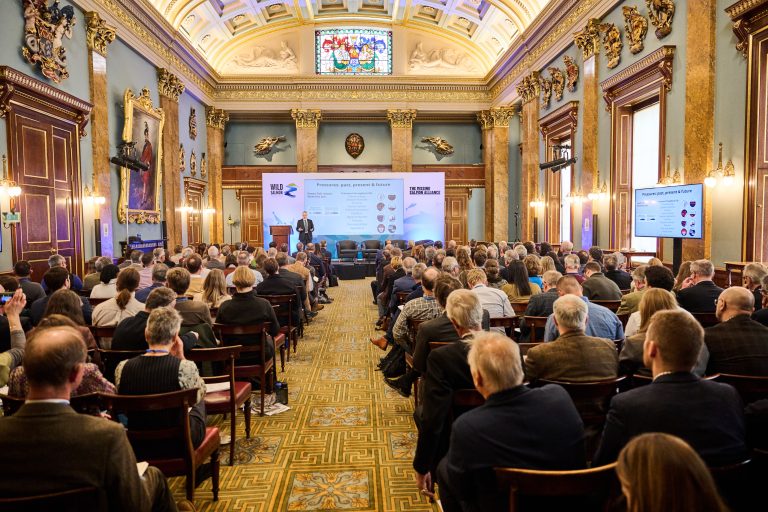
In January 2025 the Missing Salmon Alliance hosted a 3-day event at Fishmongers’ Hall in London – Wild Salmon Connections.
This event was the most significant gathering of wild salmon conservation organisations, policymakers and the corporate sector to have taken place for many years. It marked a renewed international effort to take coordinated action to conserve and restore wild salmon populations across the globe.
Building on this renewed momentum and working alongside the Pacific Salmon Foundation, Atlantic Salmon Federation, and First Nations Fisheries Council of British Columbia, the Trust played a central role in launching the first ever International Wild Salmon Day on 1st June 2025.
Evidence. Solutions. Partnership.