
Saturday 17 Oct 2026
Auction 2026 Goes Live
Wild Salmon Crisis
The wild Atlantic salmon population in Great Britain is now endangered.
A WATERSHED CONNECTIONS PARTNERSHIP ON THE RIVER DEE
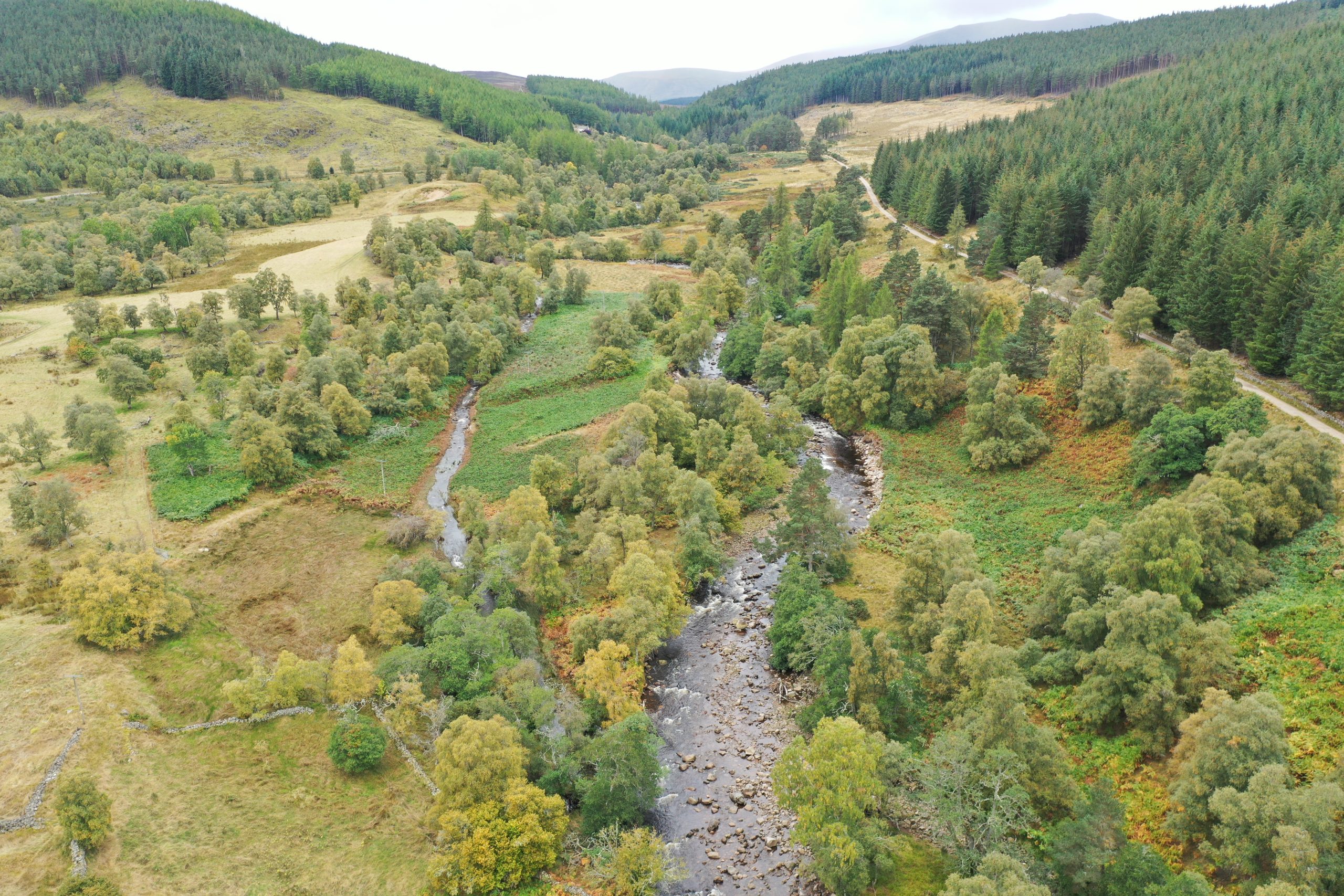
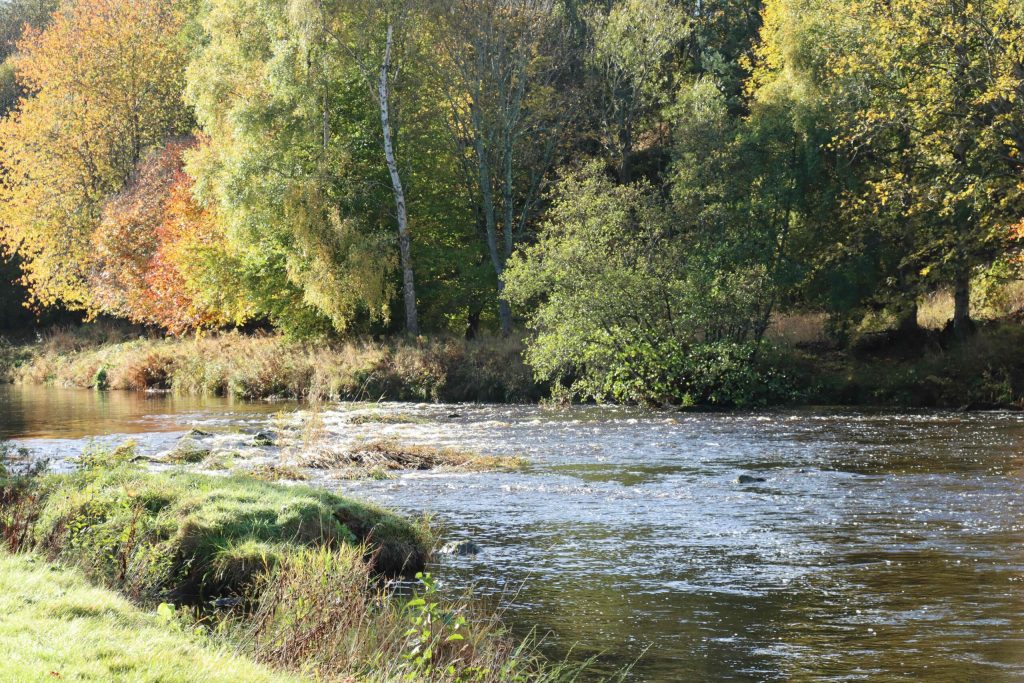
Save the Spring is a restoration programme located in the upper River Dee catchment in Aberdeenshire – delivered in partnership by the River Dee Trust, Dee District Salmon Fishery Board and Atlantic Salmon Trust, supported by the University of Stirling and UHI Inverness.
It comprises a planned 20-year programme of work to restore and futureproof the upper River Dee catchment – heartland of its spring salmon. Its focus is on delivering cold, clean water in biodiverse landscapes which are resilient and adaptive to the impacts of climate change.
BACKGROUND
As is the case with Atlantic salmon rivers across the North Atlantic, climate change is severely impacting wild Atlantic salmon populations in the River Dee, particularly the river’s iconic spring-run salmon which have declined by 80% in recent decades. In the upper parts of the catchment, some of the river’s spring-run Atlantic salmon subpopulations are now at risk of extinction. As an alarming example, the Girnock Burn, which is dominated by spring-run multi-sea winter Atlantic salmon, has recorded the decline in female fish returning to spawn, from as many as 200 females in the 1960s, to just 1 female in 2024.
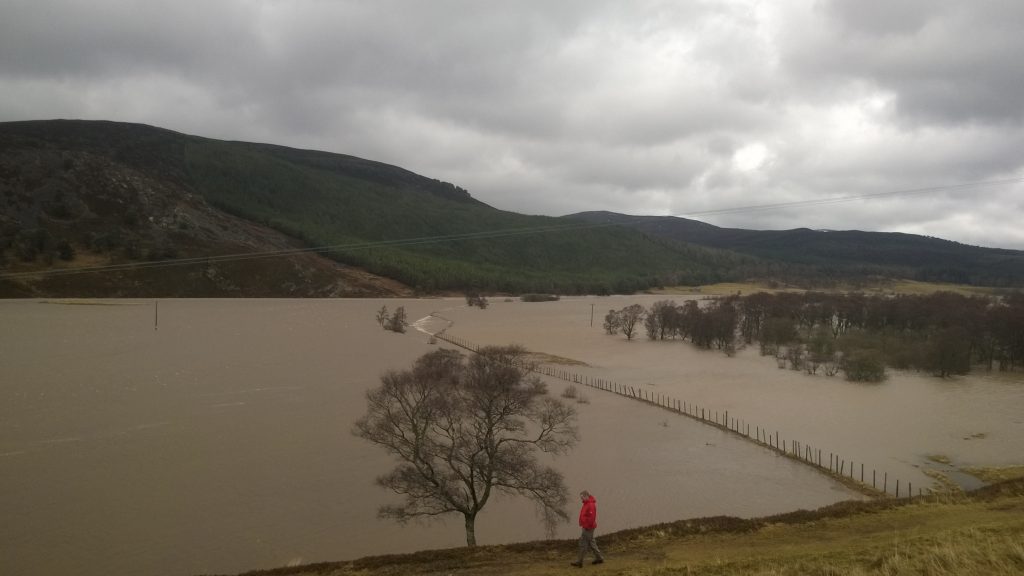
Rising water temperatures and altered flow patterns are creating significant challenges for long-term salmon survival and reproduction success. Winters are becoming wetter, leading to more frequent and severe flooding events which can wash away salmon eggs and young fish, risking the loss of entire generations. The loss of riverbed stability due to frequent winter floods has also impacted salmon spawning areas, invertebrate populations, and other species such as freshwater pearl mussel. A study carried out on the River Dee near Banchory found that only 10% of the catchment’s substrate was in a stable condition in 2023, down from 50% in 2010.
Conversely, the spring and summer months are becoming drier with snowpack on the Cairngorms decreasing, resulting in periods of low water flow and higher temperatures. Recent studies have shown that water temperatures in the River Dee have increased by an average of 1.5°C over the past three decades. This change can have profound impacts on the river ecosystem, particularly for cold-water species like Atlantic salmon. Higher water temperatures lead to reduced oxygen levels. increased stress on fish, poorer juvenile growth rates, and altered timing of important lifecycle events such as spawning and migration.
Upper tributaries, key to spring salmon spawning and juvenile production, are now frequently exposed to high water temperatures and low flows. 60% of monitoring sites in the upper Dee in 2023 for example exceeded temperatures that cause thermal stress to salmon. Save the Spring is taking action to restore natural processes in the landscape to protect against these climate impacts and allow wild Atlantic salmon and other wildlife to recover. At the same time, as some salmon populations are now critically low, the programme is carrying out a carefully managed smolt-to-adult supplementation trial designed to support wild spawning.
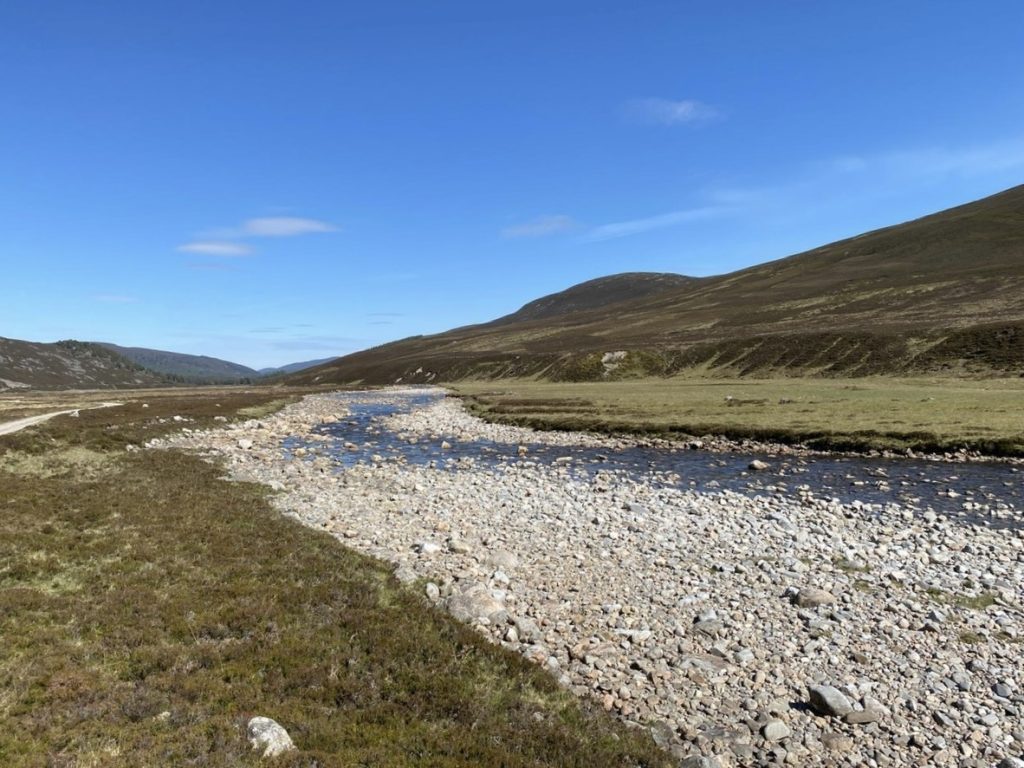
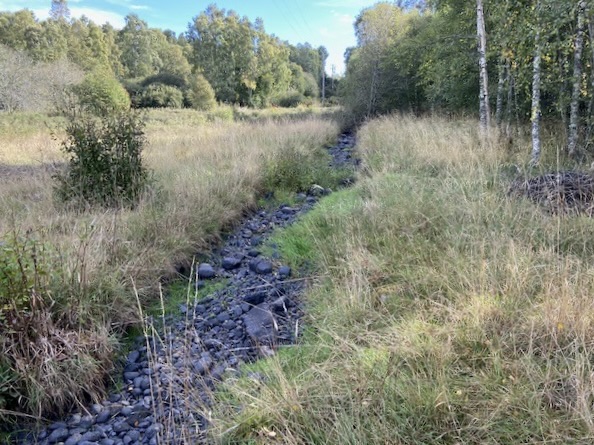
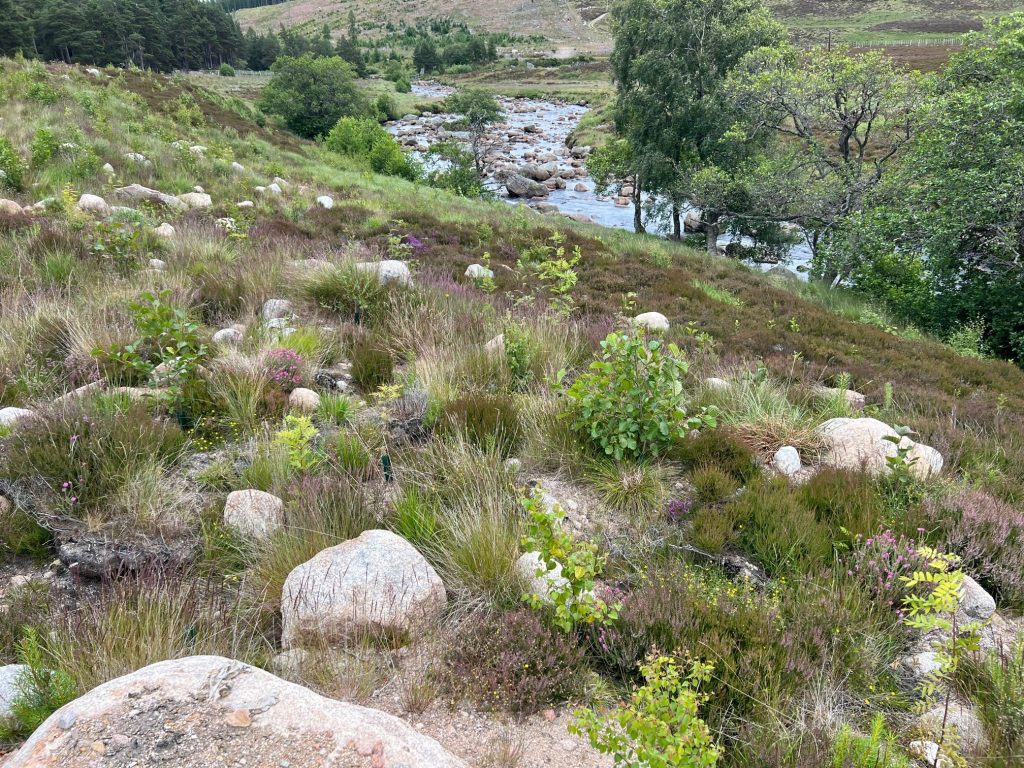
The habitat restoration element of the strategy aims to, among a number of goals, slow the flow of water off the landscape. This will ultimately reduce the power of flood events and over time improve the river’s stability. Key to slowing the flow is a complex riverside zone involving restored native woodland, as well as peatland and wetland restoration in the wider catchment. The programme is prioritising five tributaries upstream of Aboyne, comprising approximately 1,200km2 in area and 900km of stream length, 300km of which is already highlighted as at risk of thermal stress. These include the Muick, Clunie, Feardar, Gairn and Girnock.
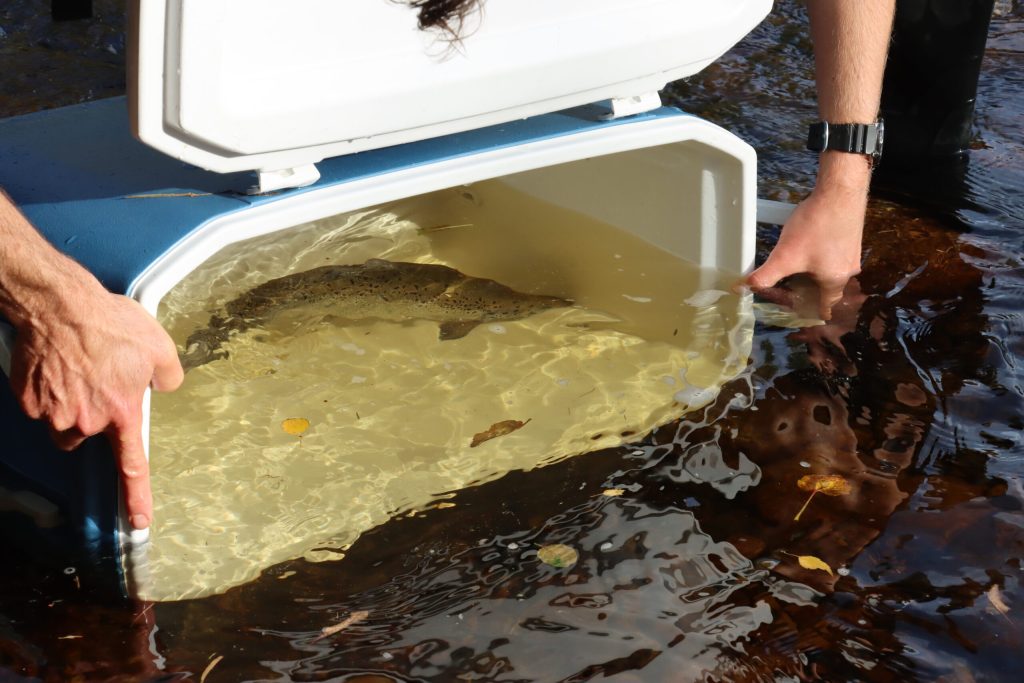
The UK’s only smolt-to-adult supplementation programme rearing wild salmon in land-based, closed containment saltwater facilities.
Genetic diversity has enabled wild Atlantic salmon to be adaptable to change, a feature of the species which is especially important to preserve in the face of the rapid climate and environmental change of today’s world. Preserving this diversity is key to the second half of Save the Spring – its smolt-to-adult supplementation trial.
SAVE THE SPRING
Unlike a stocking programme, which is typically defined as the artificial augmentation of natural salmon production by the addition of artificially-extracted eggs or young fish bred in captivity, the programme’s approach does not propose to use fish as broodstock, extract salmon eggs from fish, hatch fish in captivity or stock artificially hatched fish into the wild.
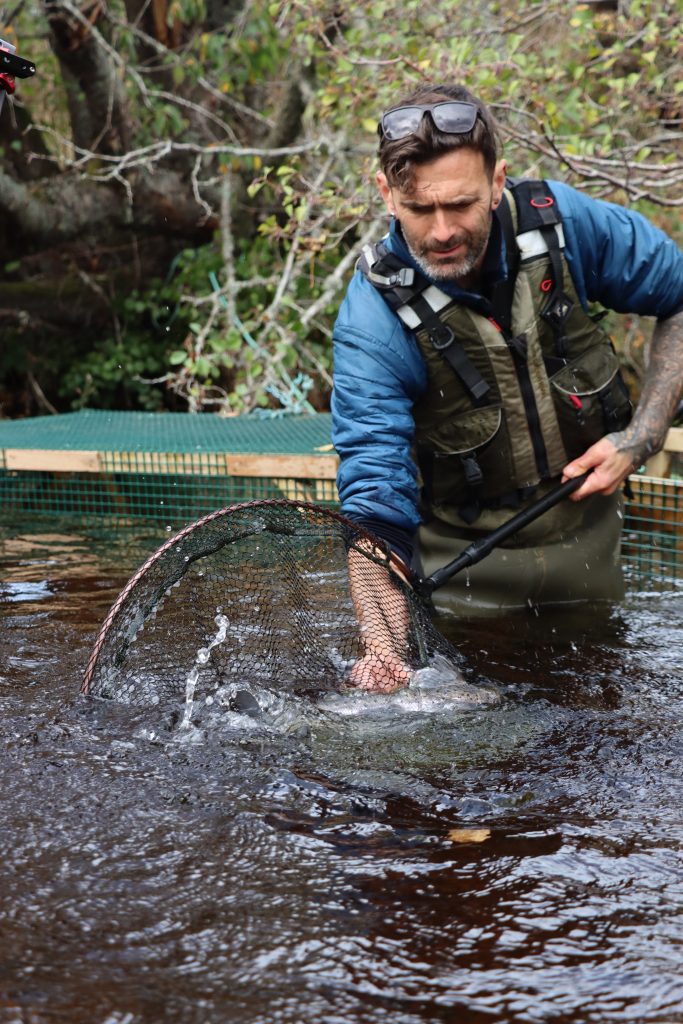
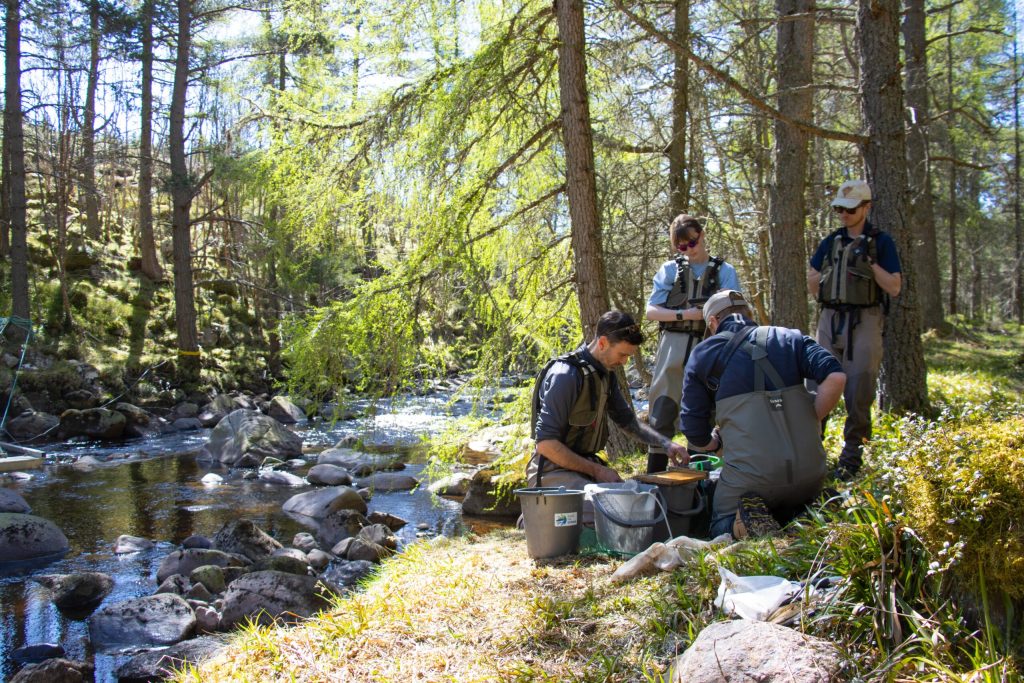
Instead, our trial involves capturing wild salmon smolts, housing them temporarily in a facility, rearing them to maturity, and then releasing them back into the wild to spawn. This increases the number of adults that would otherwise naturally be produced from a set number of smolts.
Evidence demonstrates that hatchery-raised stocked salmon survive poorer over the course of their lifecycle when compared to wild hatched fish, and exhibit natural selection towards the domestic environment over several generations – i.e they become adapted to the hatchery and not to the wild. In the long-term, the programme’s ambition is to have secured the Dee’s unique populations of spring salmon in order to step back and leave behind a self-sustaining wild population, not run a continual artificial stocking programme which puts the long-term genetic integrity of these populations at risk and reduces their natural ability to adapt to a changing climate.
SAVE THE SPRING
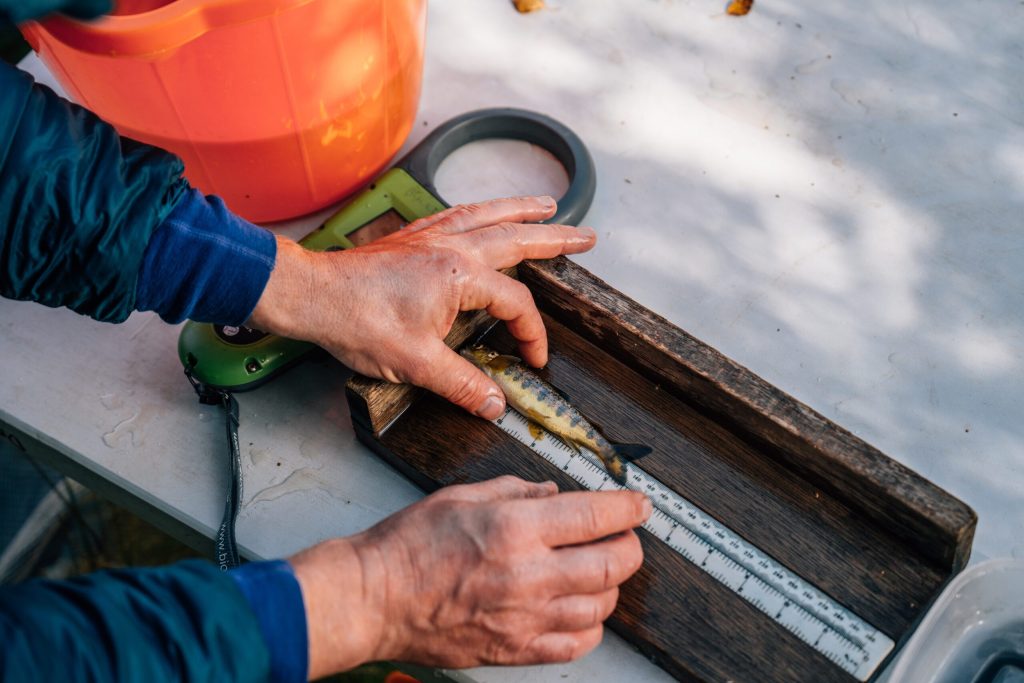
Demonstrating success in Save the Spring’s smolt-to-adult supplementation trial will come down to effective monitoring and reporting. Key to this will be genetic monitoring which can map the parental lineages of juveniles caught in the wild to match them up with fish from the rearing programme.
All fish captured and released have been genetically sampled and this will allow us to understand the genetic structure of the subpopulation in order to maximise restoration efforts. This will provide a baseline to monitor their future spawning success, and the survival of their offspring.
Smolts were collected from the River Muick in Spring 2024, 2025 and 2026 and mature adults have been returned to spawn in Autumn 2025 and will once again be returned in Autumn 2026. We then plan to look for juvenile progeny of these adults in 2027 to review the outcome of the programme.
Find Save the Spring updates in our news feed.
 News
Saturday 17 Oct 2026
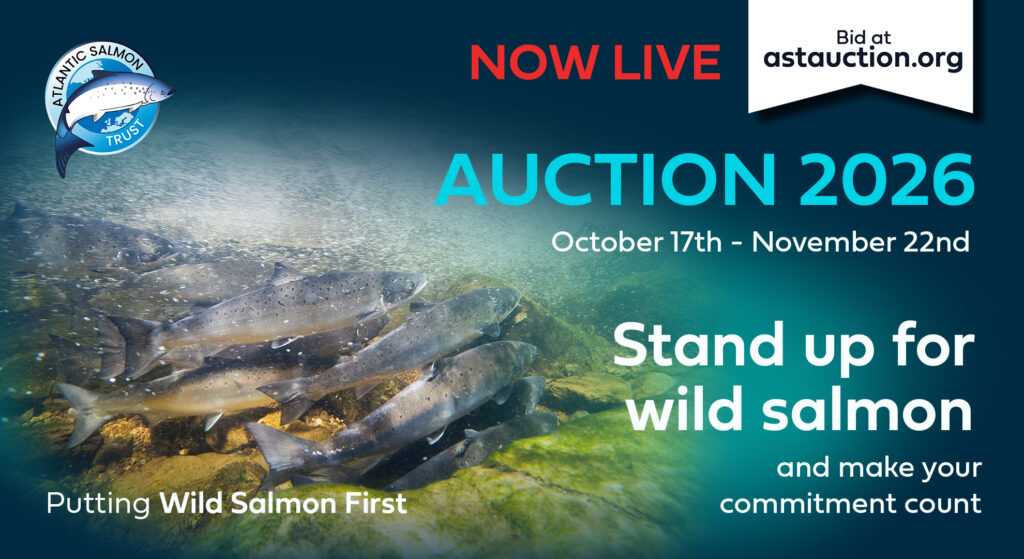
Auction 2026 Goes Live
 News
Tuesday 6 Oct 2026
Project Deveron wins 2026 EMMA Award
 News
Thursday 1 Oct 2026
Project White Hart interactive website launched
 Project Update
Monday 10 Aug 2026
Major Update – Save the Spring, River Dee
 Project Update
Thursday 6 Aug 2026
Core Rivers 2025 Adult Salmon Sonar Counts Announced
 Project Update
Tuesday 21 Jul 2026
Project Deveron Nominated for Prestigious 2026 EMMA Award