
Go beneath the surface
Discover Project White Hart’s immersive, interactive website
Wild Salmon Crisis
The wild Atlantic salmon population in Great Britain is now endangered.
A WATERSHED CONNECTIONS PARTNERSHIP ON THE CHALK STREAMS OF HAMPSHIRE
Wild Atlantic salmon are endangered in Great Britain. In England’s chalk streams, numbers have collapsed from thousands to a few hundred. Extinction is now a real and immediate threat. Project White Hart is a critical effort to save them, founded by actor and activist Jim Murray MBE, and bringing together science-led conservation, advocacy and community engagement.
The project is locally led by the Test & Itchen Catchment Partnership hosted by the Wessex Rivers Trust and the Hampshire & Isle of Wight Wildlife Trust, in partnership with the Atlantic Salmon Trust.
Its mission is to halt the imminent extinction of the irreplaceable English chalk stream Atlantic salmon and put them on a path to sustainable, long-term recovery by 2050.
Chalk stream salmon are a unique genetic strain of wild Atlantic salmon. Their extinction would be a profound loss to the entire ecosystem.
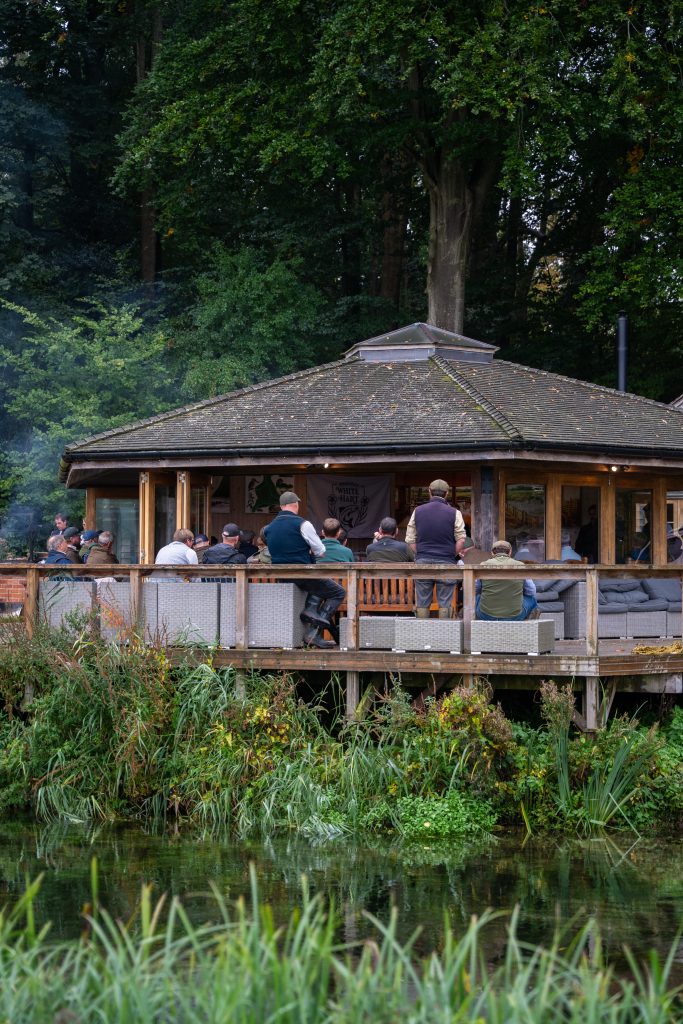
Chalk streams and their wild salmon are inseparable from England’s natural history and cultural identity. From past centuries to the present day, entire communities, businesses and traditions are shaped by them.
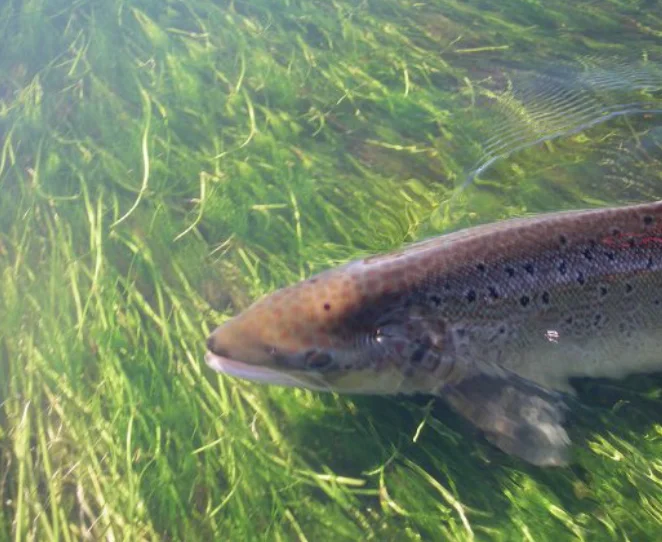
England’s chalk streams flow naturally cool, meaning they have built-in resilience to climate change and the rising temperatures threatening wild Atlantic salmon elsewhere across their range. It’s therefore possible that chalk streams may play a key role in saving the species at scale.
PROJECT WHITE HART
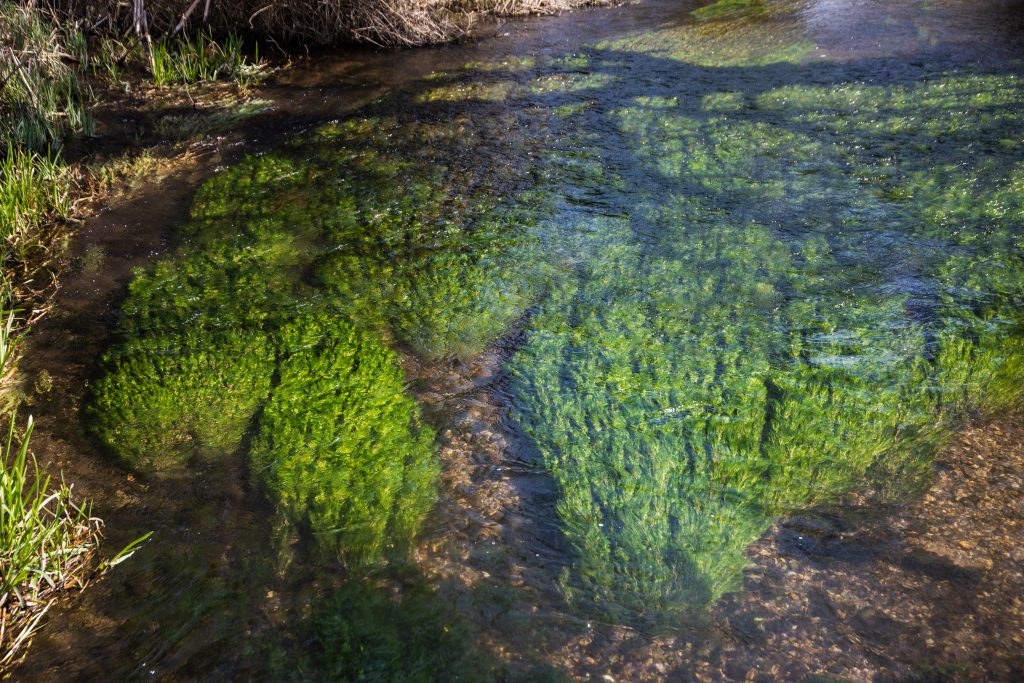
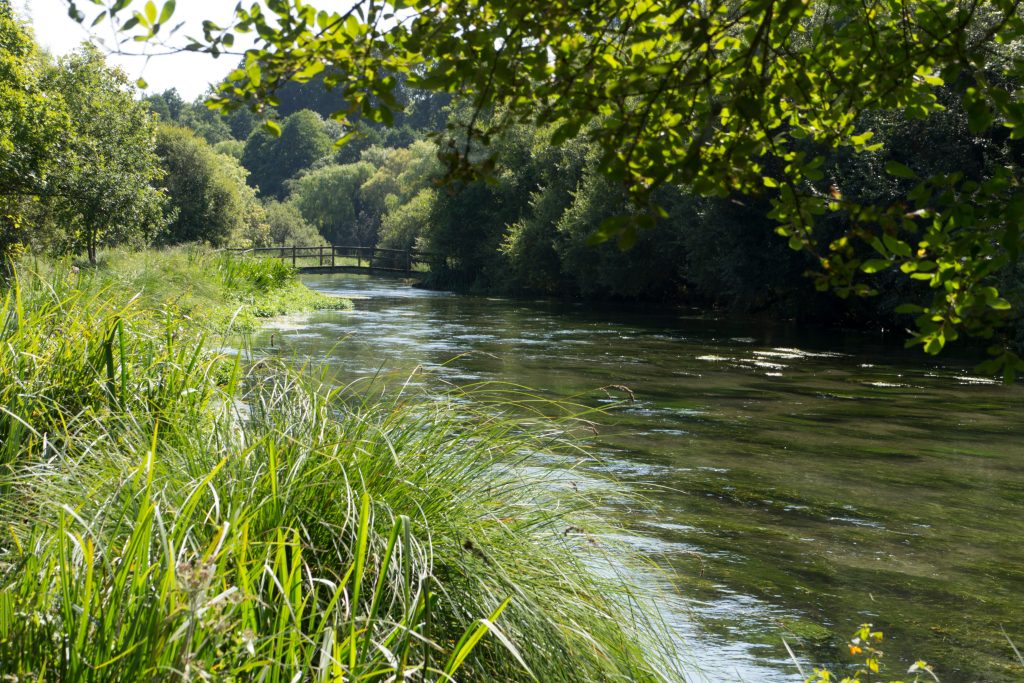
A catchment audit process is currently underway – spanning the Test, Itchen and Meon catchments – a total area of 1,850km².
The catchment audit’s aim is to define the factors and locations impacting wild chalk stream salmon, and to identify the solutions required to save them. The process aims to gather all existing ecological and hydrological information for these watersheds, collating it into a state-of-the-art GIS (Geographic Information System) 3D mapping platform, combined with salmon population data modelling to generate predicted outcomes. This will enable the development of a strategic Restoration Plan.
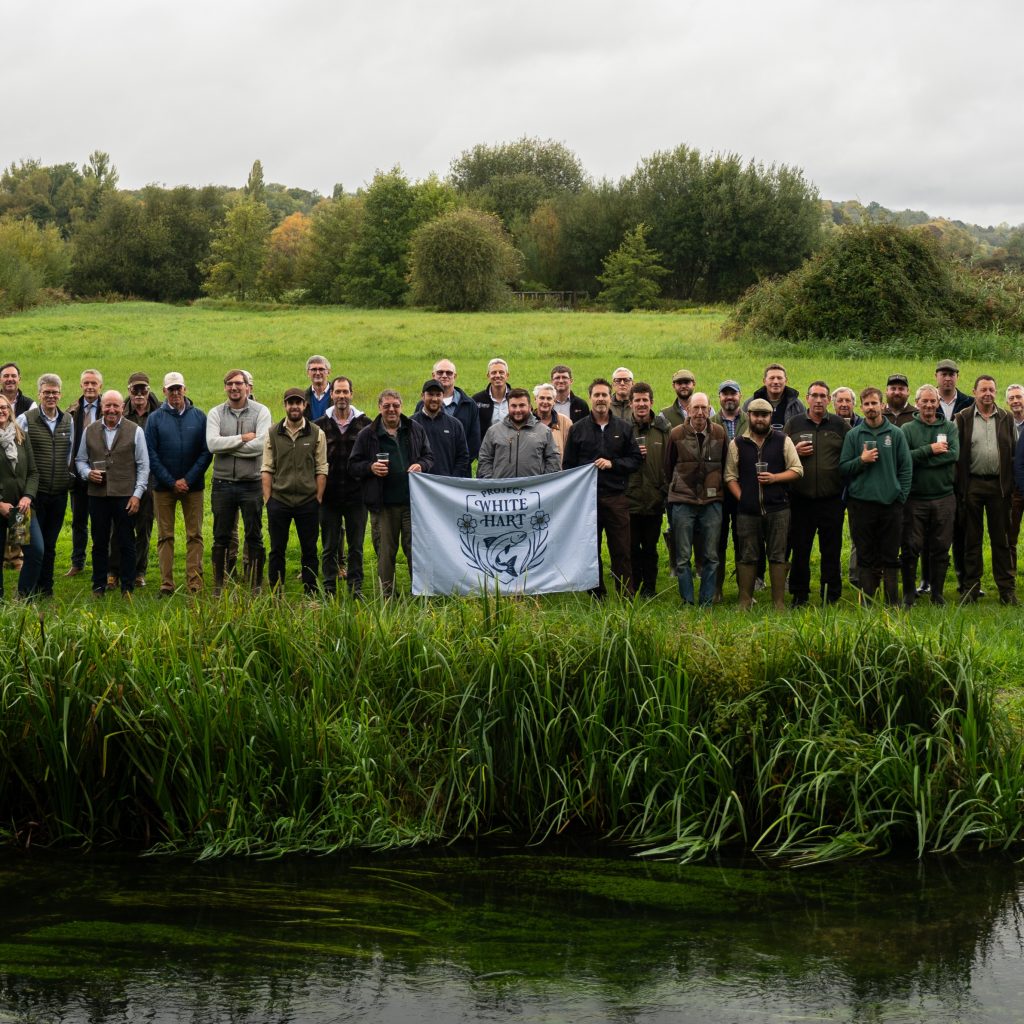
Simultaneously, Project White Hart has been carrying out a range of community and stakeholder engagement events through 2025 and 2026 to build a broad, diverse support base and to expand awareness of the chalk stream salmon crisis in the wider public.
PROJECT WHITE HART
From the catchment audit’s findings a Restoration Plan will be developed. This will identify the actions necessary to put chalk stream salmon on the path to recovery – from the very headwaters of our rivers and extending out to the marine environment.
Critical to its development will be ongoing collaborative engagement with landowners, farmers, industry, regulators, policymakers and communities. This approach will ensure that the Restoration Plan is widely understood, brings all stakeholders on board, and creates a shared sense of responsibility for the future of our rivers and their wild salmon.
PROJECT WHITE HART
The completed Restoration Plan will identify action points across all three river catchments – individual problems which can be addressed at specific locations, or systemically, and all connected within an overarching strategy. These individual restoration projects will require support – funding, design and delivery.
The overall aim of this suite of work will be to provide the core ingredients wild salmon require – cold, clean, free flowing water. This means improving water quality and flow management, removing barriers to migration, reconnecting fragmented habitats, and protecting juvenile salmon and spawning adults in sanctuary zones.
Ongoing work will continue to engage communities and schools to ensure that future generations are invested in wild salmon recovery.

Read about the latest community engagement and awareness campaigns.
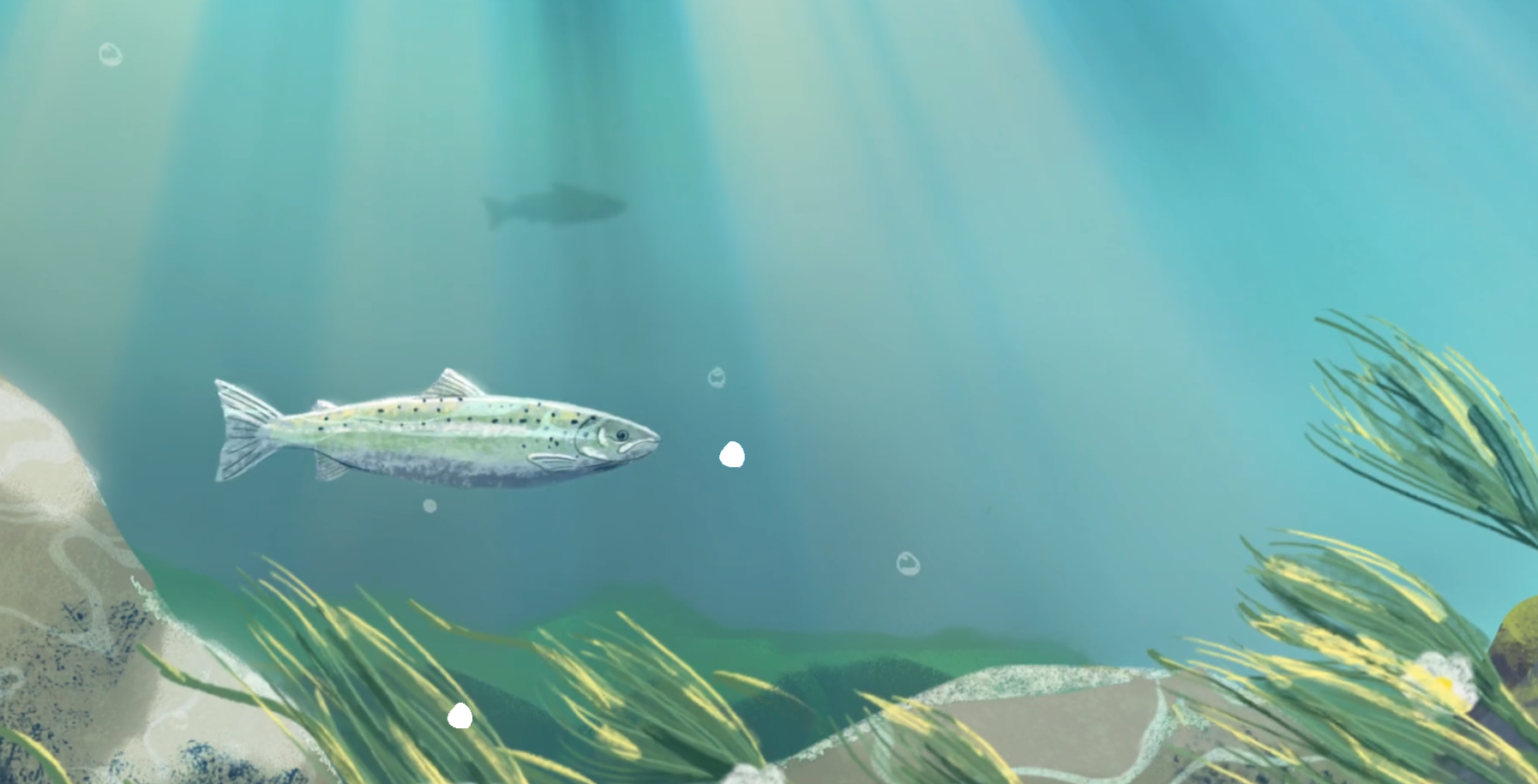
Discover Project White Hart’s immersive, interactive website