
Restoration
Wild Salmon Crisis
The wild Atlantic salmon population in Great Britain is now endangered.
RESTORATION – FROM SOURCE TO SEA
Working to provide the conditions wild salmon need to survive and thrive once again
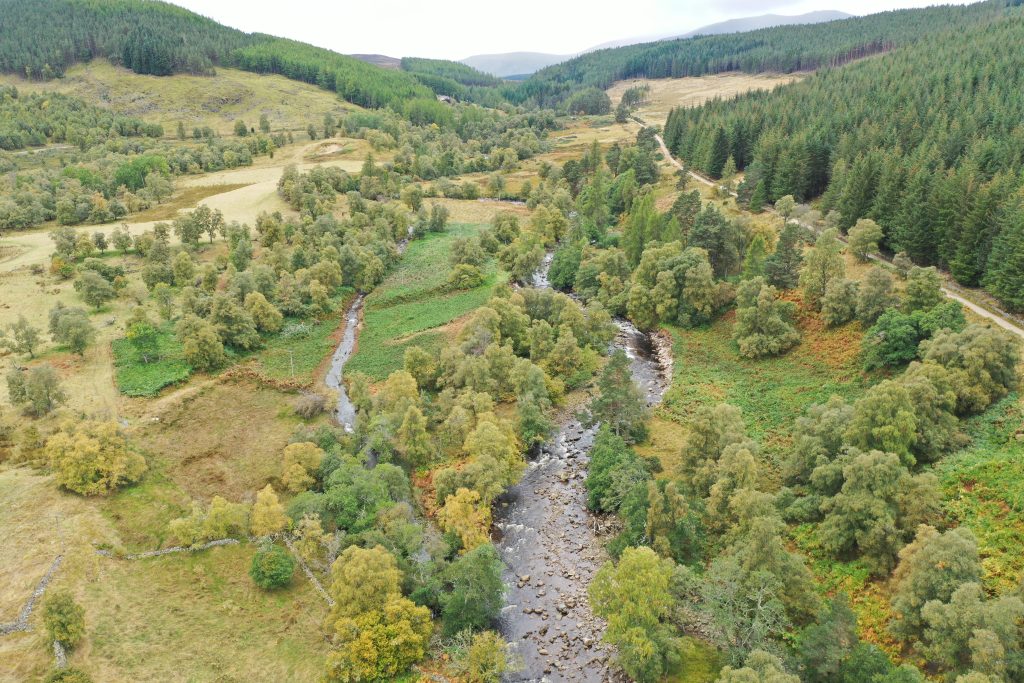
Across our Core Rivers and Watershed Connections networks of catchment-scale restoration projects, we’re working with local partners to secure resilient, thriving river systems from source to sea.
The wild salmon crisis demands a new, ambitious approach if we are to achieve the scale and pace of action required to put the species on the pathway to long-term, sustainable recovery. Wild salmon cannot be treated as a species in isolation – they are part of a much wider, interconnected ecosystem.
This is not a fisheries management challenge – it is a nature recovery challenge.
Cold, Clean Water
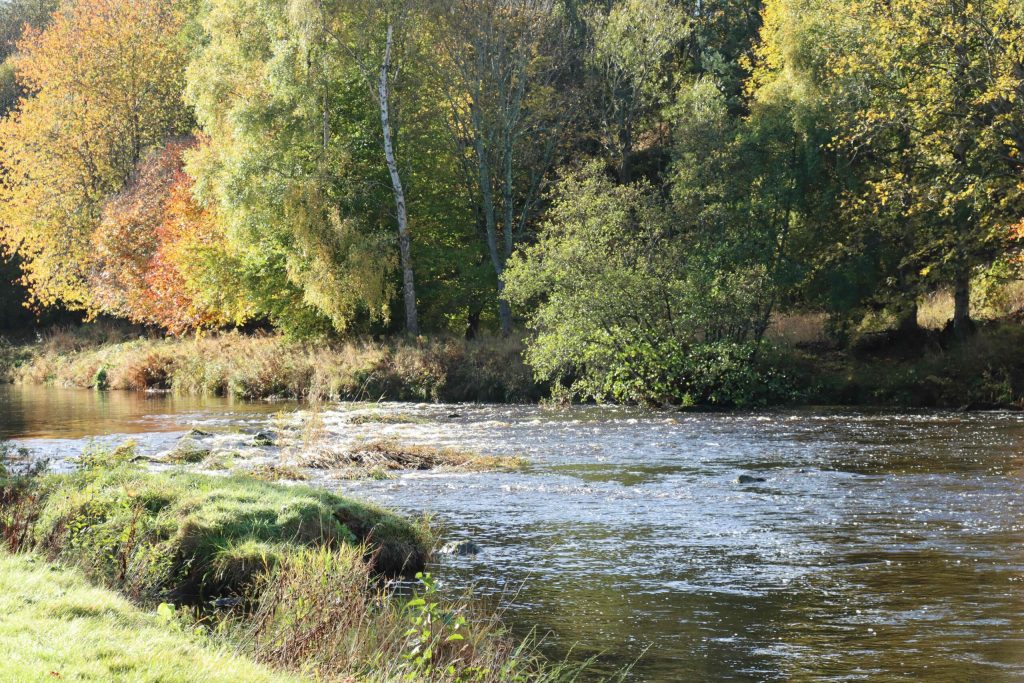
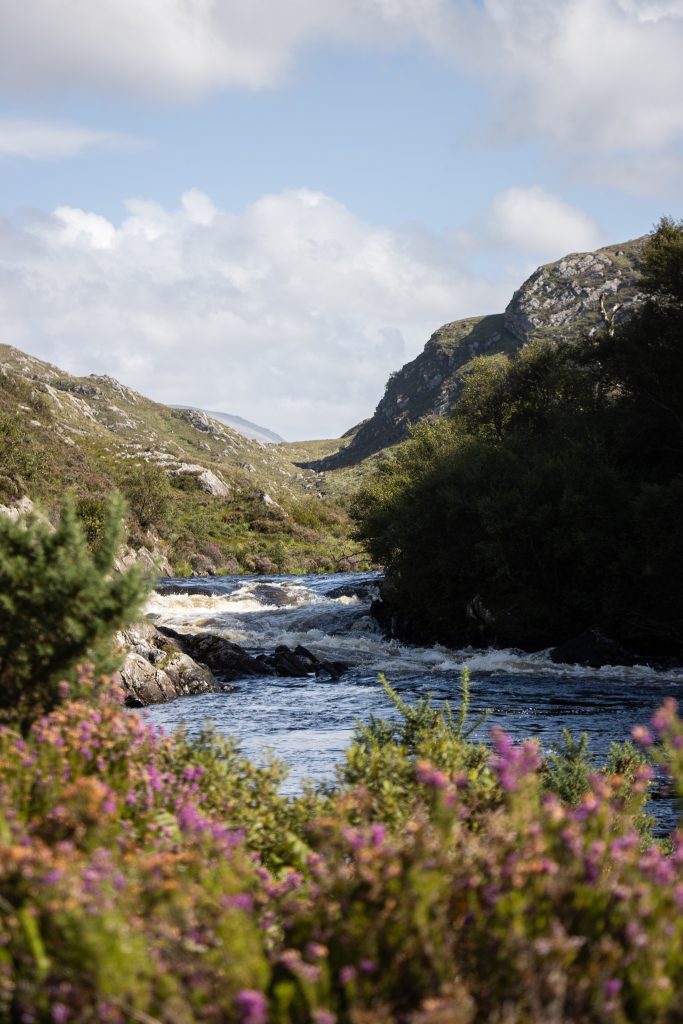
Wild Atlantic salmon need cold, clean water at every stage of their freshwater lives. Cold water holds more oxygen, helping salmon grow, feed and survive, while clean, well-oxygenated water is essential for the insects they feed on and the healthy river habitats they depend upon. Even before they hatch, salmon eggs buried beneath the gravel rely on a constant flow of clean, oxygen-rich water.
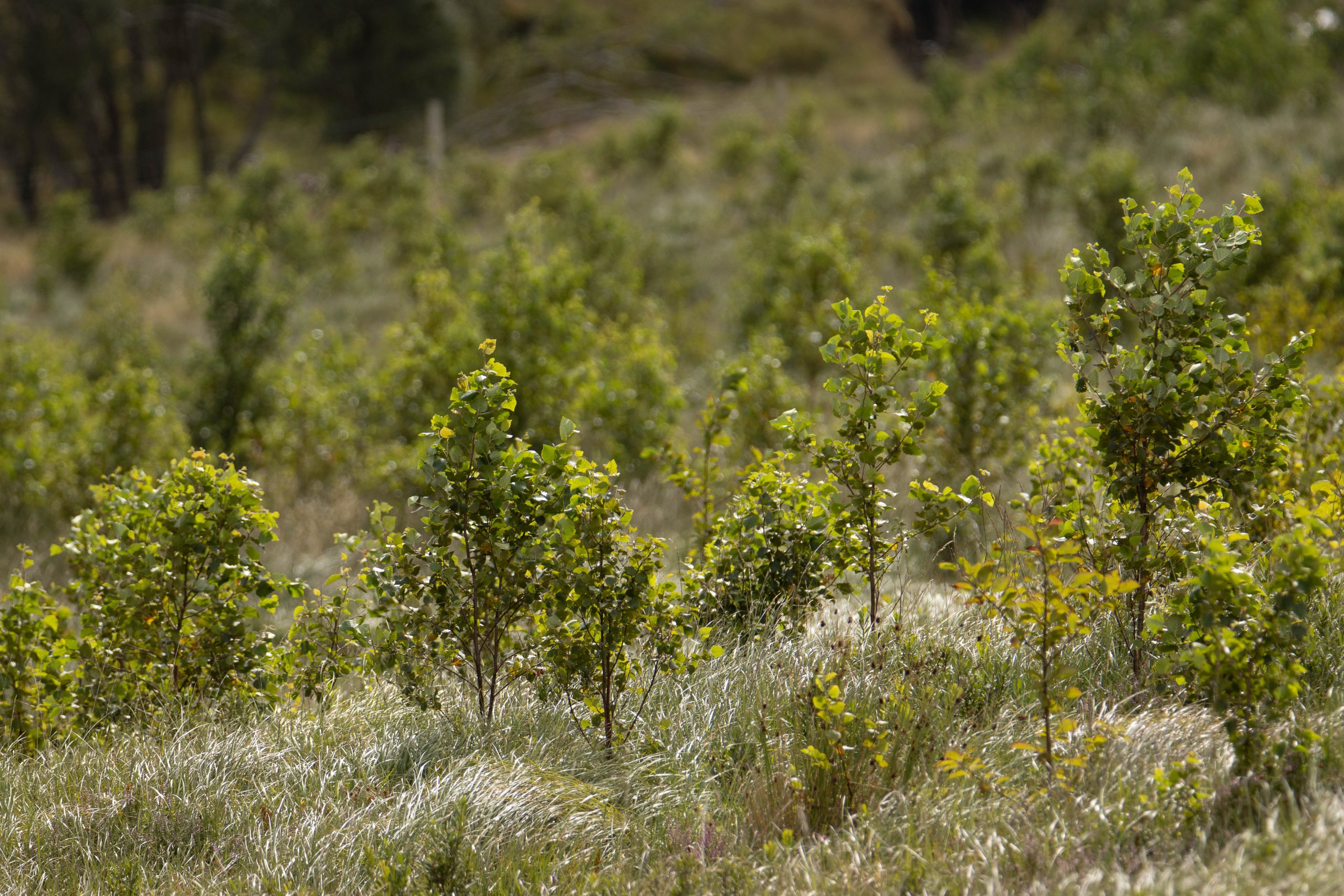
But that vital combination is increasingly under pressure. Rising temperatures, droughts, low flows, pollution and sediment can make rivers less hospitable for salmon, while the loss of trees and healthy river habitats leaves waterways more exposed to warming. Restoring resilient catchments – creating shade, improving water quality, reconnecting habitats and allowing rivers to function naturally, is therefore fundamental to giving wild salmon a future.
Free access to spawning areas
Wild Atlantic salmon need free access to spawning areas to complete their remarkable lifecycle. After travelling thousands of kilometres at sea, returning adults must navigate back through rivers and tributaries to reach the clean, well-oxygenated gravels where they reproduce. Even relatively small barriers can delay migration, restrict access to valuable habitat or prevent salmon from reaching spawning grounds altogether.
Importantly, wild salmon need to be able to move freely both upstream and downstream.
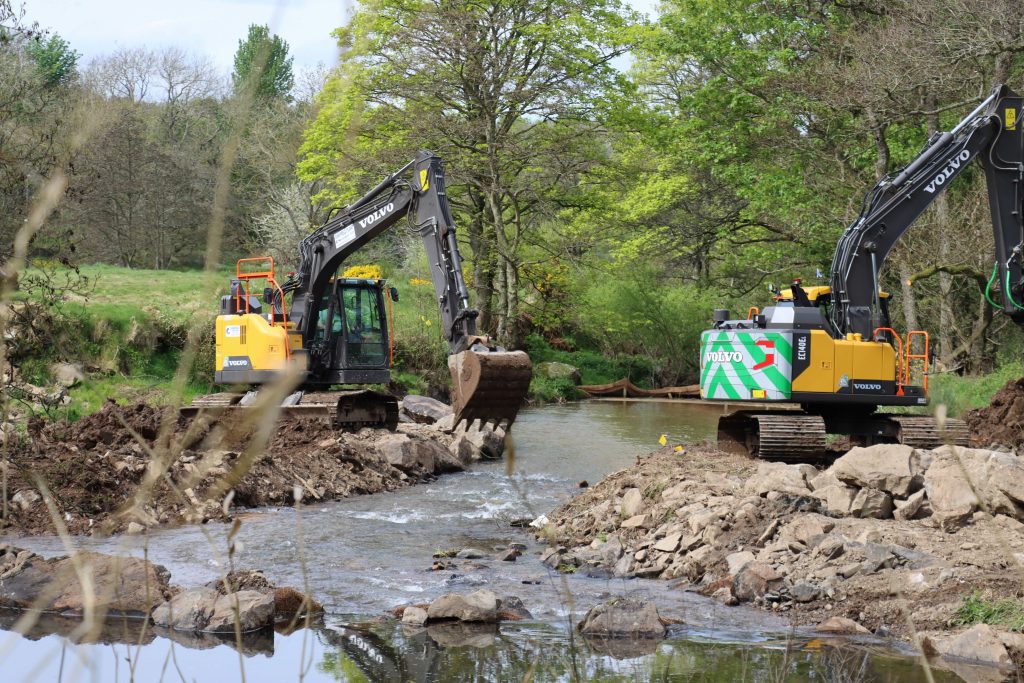
Removing or easing barriers can reconnect entire stretches of river, opening up spawning and nursery habitat that may have been inaccessible for generations. Restoring this natural connectivity gives returning adults the freedom to reach the places they need to spawn and gives the next generation of wild salmon the best possible start in life.

Free-flowing rivers
Wild Atlantic salmon need free-flowing rivers – rivers where water can move naturally downstream, but also spread out across floodplains, wetlands and riparian zones. These connections help slow the flow, store water within the landscape and create a diverse mosaic of habitats that supports salmon and the wider ecosystem.
Healthy, connected floodplains can also make rivers more resilient to extremes. They help hold water back during floods, sustain flows during dry periods and support cooler, more complex river habitats. By giving rivers space to move and function naturally, we can create catchments better able to withstand a changing climate – and better able to support wild salmon throughout their freshwater lives.
Habitat diversity
Wild Atlantic salmon need complex, well-structured river habitats that provide places to feed, rest and hide. Boulders, woody material, pools and varied riverbeds create shelter from strong flows and predators, while healthy riparian zones provide the vegetation and insects that help sustain the wider river ecosystem.
Trees and vegetation along riverbanks are particularly important. Their dappled shade helps keep water cool and creates vital thermal refuges during periods of high temperatures. Wide, diverse riparian zones also stabilise riverbanks, filter runoff and provide cover – creating cooler, more complex and resilient rivers where salmon can thrive.
Protection around our coasts and at sea
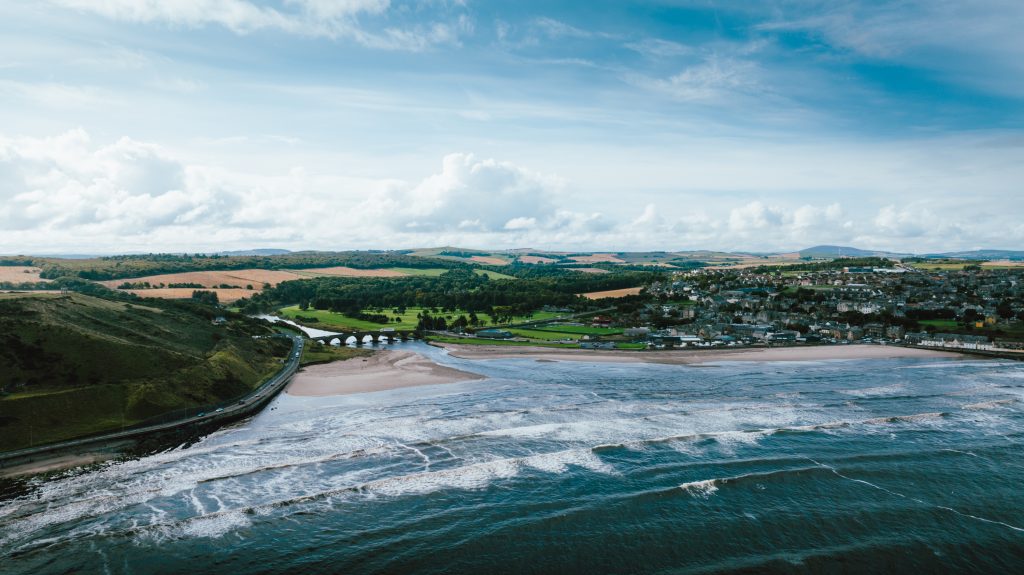
Wild Atlantic salmon need safe passage through our coastal waters. When smolts first leave their rivers and enter the sea, they are small, vulnerable and undergoing one of the most challenging transitions of their lives. Pressures in the near-coastal environment can therefore have a significant influence on how many successfully begin their ocean migration.
That means ensuring activities such as aquaculture and marine development are robustly regulated and informed by the best available evidence. Protecting migration routes and reducing avoidable pressures during this critical early marine phase can help give more young salmon the opportunity to reach their ocean feeding grounds and ultimately make the journey home.