
The Wild Salmon Crisis
Wild Salmon in Crisis
Wild Atlantic salmon are disappearing
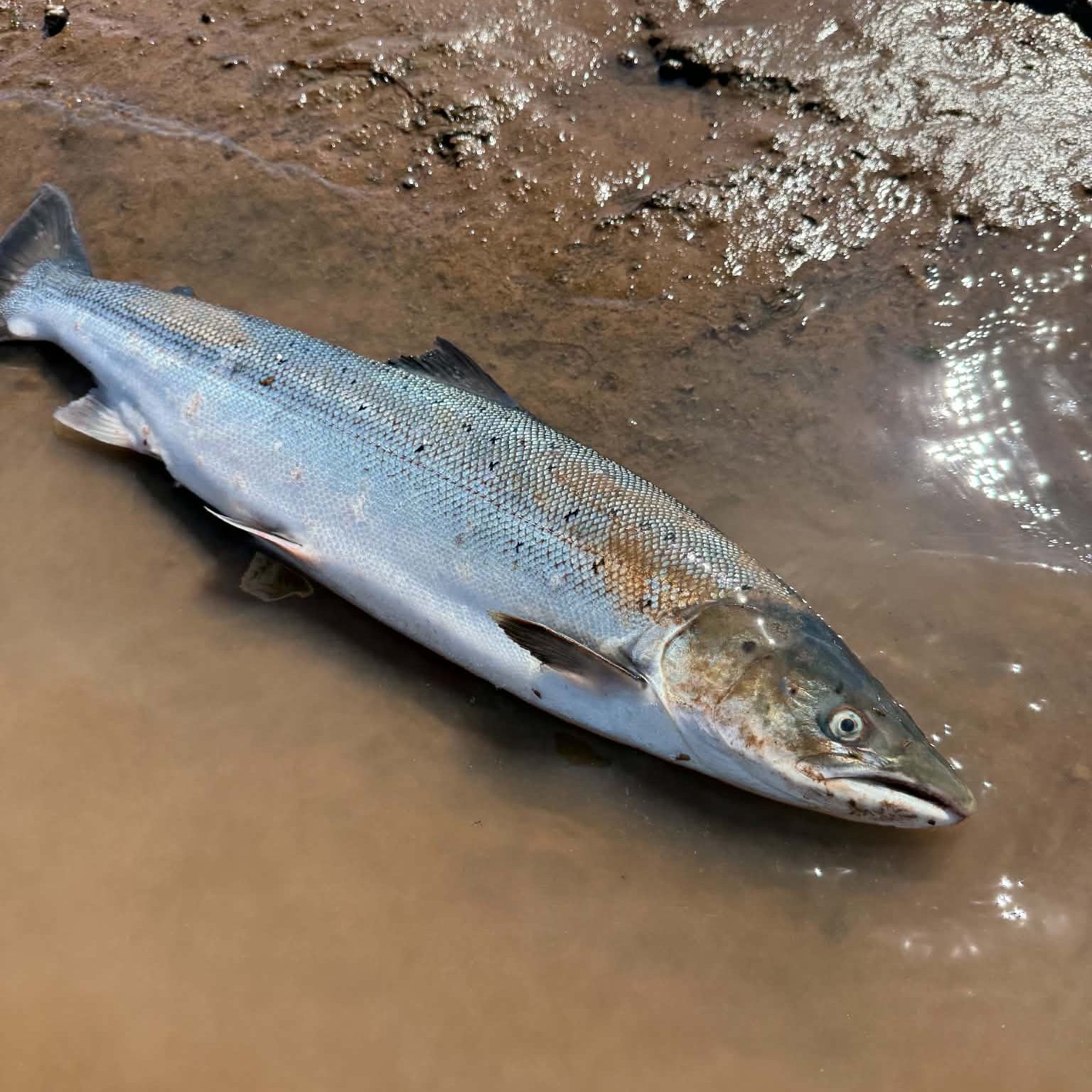
Wild Atlantic salmon are a keystone and indicator species – critical to the overall structure and functioning of their ecosystem. They report back to us about the health and condition of the places in which they live. However, their numbers have fallen by over 70% in the last few decades and the species is now endangered in Great Britain – a warning sign of much larger environmental problems facing our rivers, coasts and seas.
This iconic species is also deeply connected to communities across the North Atlantic. Our shared natural and cultural heritage has been interwoven with the species for centuries. That is now at risk.
The future of wild Atlantic salmon needn’t be one of continued decline and disappearance. Though the challenge to halt and reverse the decline is great, wild Atlantic salmon can have a thriving future if we choose to give it to them.
WHY IT’S HAPPENING
What’s causing the crisis?
Wild Atlantic salmon face a range of pressures across their complex lifecycle, both in the freshwater and marine environments. All of these are further exacerbated by the twin crisis of climate change and biodiversity loss.

Climate Change
Climate change is exacerbating all other pressures, through changes in weather patterns, temperature, and declining marine survival and habitat resilience.

Biodiversity Loss
Salmon are a critical part of an interconnected ecosystem. The wider biodiversity crisis on land, in freshwater and in the ocean puts pressure on them across their lifecycle.

Habitat Degradation
Land use practices like intensive agriculture, forestry and urban development reduce a catchment's health and resilience.

Barriers to Migration
Salmon are a highly migratory species and need the freedom to navigate both downstream and upstream during their lifecycle. Dams, weirs and other barriers block and disrupt their migration.

Water Pollution
Water pollution is a major pressure across all salmon life stages, affecting fish directly (through exposure to chemicals and acidified waters) and indirectly (through runoff causing eutrophication of aquatic habitats) in fresh water and the ocean.

Water Abstraction
Too much water taken away from rivers reduces flows, amplifies pollution, raises temperatures, and makes salmon more susceptible to predation.

Open Pen Salmon Farms
Elevated sea lice levels around salmon farms pose a threat to migrating wild salmon, while escaped farmed fish interbreeding with wild populations reduces their genetic integrity.

Disease
Furunculosis (a bacterial disease), Gyrodactylus salaris (a type of parasitic flatworm) and Ulcerative Dermal Necrosis (a skin disease) are three diseases that have decimated salmon populations in some areas.

Exploitation
Poaching, the risk of unintended bycatch in marine fisheries, and unsustainable angling practices put pressure on already depleted salmon populations.

Stocking
In certain specific situations, well-managed hatcheries can be a useful restoration tool. However the weight of scientific evidence shows that stocking is largely harmful to wild salmon populations.

Predation
Wild salmon are an important part of the food chain and support a range of predator species. However this relationship can be thrown out of balance, often by human causes, resulting in over-predation if left unmanaged.

Invasive Species
Non-native animal and plant species can upset the ecological balance that wild salmon rely on, either through direct competition or by contributing to wider habitat degradation.